




Spain held by Cape Verde, Uruguay pushed to a draw, and Norway outplayed expectations – the 2026 World Cup has already flipped predictions upside down.
The expanded 48-team format specifically benefits well-organized, defensively compact sides from outside traditional football powers, especially African underdogs who have shown they can compete with elite nations. Instead, it has delivered surprise results almost every matchday, with favorites struggling to break down disciplined opponents and smaller nations growing in confidence with each game.
What was expected to be a straightforward tournament for the traditional giants has turned into a much more unpredictable battle. Defensive structure, tactical discipline, and physical intensity are now just as important as individual star power. Teams that were written off before kickoff are now shaping group standings and forcing top sides into uncomfortable situations.
This article breaks down the teams that shocked the world, why it is happening, and how sportsbooks are reacting to the chaos.
Why This World Cup Was Always Going to Produce Surprises
The 2026 World Cup introduced a 48-team format with 12 groups, meaning more matches and more chances for underdogs to face elite teams. According to FIFA competition rules, the top two teams and the best third-placed teams advance to the Round of 32.
That change alone increases unpredictability:
- More “first-time matchups” between nations
- Less scouting history between teams
- More chances for defensive, compact teams to frustrate giants
Another key factor is the North American summer heat, which has affected European sides used to cooler conditions. Fatigue in late-game phases has already led to late goals and dropped points.
Before the tournament, betting markets strongly favored:
- Spain
- France
- Brazil
- England
- Argentina
- Germany
But early group stage results show those odds shifting quickly after surprise draws and narrow results.
Cape Verde – Africa’s Proudest Moment of the Group Stage
Cape Verde’s performance against Spain is one of the biggest shocks so far.
- Spain 0-0 Cape Verde (June 15) – Cape Verde held one of the tournament’s favorites to a goalless draw
- Spain also struggled to break them down despite heavy possession and attacking pressure
- Uruguay later drew 2-2 with Cape Verde, proving the result was not a fluke
Cape Verde’s discipline and defensive shape have stood out. They may not dominate possession, but they are extremely hard to break down.
For African football, this matters:
- Shows that smaller federations can compete at the highest level
- Boosts confidence for other African nations in the tournament
- Highlights tactical growth across the continent
Before the match, Cape Verde were seen as massive underdogs. Betting models gave them very low chances to avoid defeat against Spain, making the draw even more shocking.
Australia – Socceroos Silence the Critics
Australia has become one of the tournament’s early surprise packages.
Key results:
- Australia 2-0 Turkey (opening match)
- Strong defensive performance with no goals conceded in that match
Their win over Turkey set the tone for a disciplined, high-energy campaign. Analysts expected Australia to struggle, but they have shown improved structure and pressing intensity.
What stands out:
- Compact defensive block
- Fast counter-attacks
- Strong midfield work rate
Australia’s rise reflects the growth of its domestic player development system and increasing experience in Europe-based leagues.
Ghana – The Stars’ Statement Against England
Ghana delivered one of the most respected defensive performances of the group stage so far.
- Ghana 0-0 England (June 23)
- Ghana held possession under pressure and limited clear chances
- England struggled to break through a disciplined back line
The result sparked huge discussion among fans, especially in West Africa, where Ghana’s performance was seen as a statement of intent.
Even though Ghana did not win, the match showed:
- Strong tactical organization
- Physical resilience
- Ability to compete with elite European teams
Norway – The Dark Horse Nobody Saw Coming
Norway has emerged as one of the most dangerous teams in Group I.
Results:
- Norway 4-1 Iraq
- Norway 3-2 Senegal
- Qualified strongly from the group stage
Led by their attacking core, Norway has shown:
- High scoring ability
- Strong physical presence
- Fast transitions from defense to attack
They are now seen as a legitimate knockout-stage threat.
Norway’s attacking threat has been led by Erling Haaland, who has been among the tournament’s most dangerous strikers so far.
How the Upsets Moved the Soccer Betting Odds
Early World Cup chaos has already shifted betting markets.
Key movements:
- Spain’s draw with Cape Verde caused their odds to lengthen slightly
- Australia’s win over Turkey improved their knockout qualification odds
- Underdog teams are being re-evaluated by bookmakers after strong defensive performances
At major tournaments, sportsbooks react fastest to:
- Unexpected draws
- Defensive upsets
- Early group-stage surprises
For readers tracking momentum shifts, checking live soccer betting odds shows how bookmakers are constantly updating expectations as the tournament progresses.
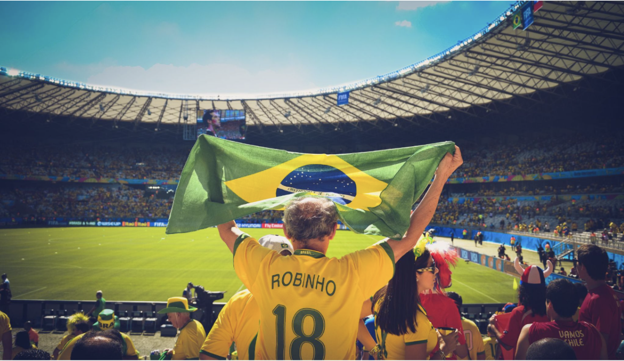
Source: Pexels
What the Knockout Rounds Could Still Produce
The tournament is far from settled.
Still to watch:
- Which third-placed teams survive into the Round of 32 (top 8 advance)
- Whether Cape Verde can maintain defensive discipline against stronger attacking sides
- If Australia can handle higher-pressure knockout matches
- Whether Norway’s attacking form can survive elite defenses
African teams, in particular, still have a chance to make deeper runs if they maintain defensive structure and take chances in key moments.
Final Thoughts
The 2026 World Cup is already breaking expectations. Big teams are dropping points, underdogs are staying organized, and group standings are far from predictable. If this continues, this tournament may redefine what “favorite” means in international football. And the most surprising part? We are still in the group stage – the real chaos may just be starting.
What stands out most is how quickly momentum is shifting from match to match. One result can completely change how a group looks, especially with so many teams now competing. Traditional powerhouses no longer feel untouchable, and that has made every game more intense. Even the smallest mistakes are being punished at this level. As the knockout rounds approach, the pressure will only increase, and that could lead to even more unexpected outcomes.
Source: Pexels