

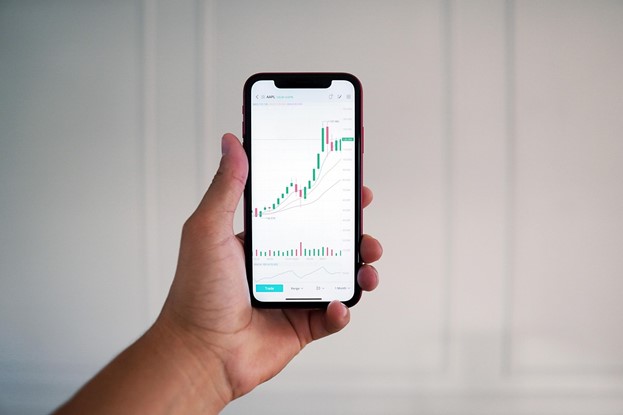
Mobile trading is now baked into how Nigerian traders interact with global markets. What started as a handy way to place a trade while on the move has quietly turned into a full trading environment living inside a phone. Charts, execution, alerts, constant monitoring. All of it. Over time, that kind of access blurs the line between analysis and action, and that’s where fatigue creeps in. Fast. Reactive decisions replace structured management, and discipline slips without anyone really noticing.
The smarter evolution isn’t ditching mobile tools altogether. That rarely works anyway. It’s redefining what they’re actually for. Using a forex trading app strictly for trade management keeps you informed and protected without dragging you into nonstop execution. Less pressure. Fewer impulse clicks. If you’ve traded through a volatile week like October 2024, you know how quickly emotions take over when the phone becomes the command center. This shift realigns mobile usage with long term discipline instead of short term noise.
Step One: Redefine The Purpose Of Mobile Access
This starts with a mental reset and a practical one. You decide clearly what role the mobile platform plays in your routine. The goal is oversight, not decision making.
At this stage, analysis and trade entry move elsewhere. Laptop. Desktop. Somewhere stable. The phone becomes a monitoring and protection tool, nothing more. That matters in Nigeria, where volatility can spike suddenly and connectivity can change at the worst possible moment.
Separating Execution From Monitoring
Execution requires calm, solid connectivity, and time to think. Monitoring only requires awareness. When both happen on a phone, decisions get rushed. You check a chart, hesitate, and tap anyway. Not always, but often enough to cause damage.
Establishing Clear Usage Boundaries
Set rules for when the app gets opened. For example, only to review open positions or manage risk on active trades. Not to scan for opportunities. Not to experiment. Narrowing the purpose creates psychological distance from the urge to trade constantly, and consistency improves almost by accident.
Read Also: Szoboszlai Not Leaving Liverpool – Agent
Step Two: Configure The App For Management Functions
Once the purpose is clear, the app itself needs to reflect that decision. Most platforms can either pull you into activity or quietly support oversight. The difference is in the setup.
The aim is simplicity. Less temptation. More signal.
Focusing On Open Positions And Account Health
Keep screens centered on open trades, balance, margin levels, and exposure. Push market discovery tabs and new order panels out of sight. You do not need them on a phone.
Reducing Execution Prompts And Distractions
Disable quick trade buttons, alerts for new instruments, and promotional notifications. These are designed to trigger action, not discipline. For Nigerian traders juggling work or running a business, this matters. The app becomes a dashboard, not a trading floor.
Step Three: Shift Analysis To A Dedicated Environment
Trade management only works if analysis lives somewhere else. This step is about committing fully to that separation.
Many Nigerian traders already analyze during specific hours on laptops or desktops. Lean into that habit.
Using Larger Screens For Structured Analysis
Bigger screens provide clearer charts, fewer mistakes, and better context. Indicators, time frames, and notes are easier to manage when you are not squinting at a phone.
Scheduling Analysis Instead Of Reacting
Set fixed times for market study and planning. Avoid pulling up charts randomly on your phone just because price moved. That is how plans unravel. When analysis is separate, trades are managed according to rules, not feelings. The phone becomes a guard, not a trigger.
Step Four: Build A Routine Around Monitoring And Risk Control
The final piece is routine. Without it, intentions fade. With it, habits stick.
This routine should reflect local realities such as power supply, data availability, and time zone gaps between Nigeria and major market sessions.
Checking Positions At Defined Intervals
Instead of constant refreshing, decide when you will check trades. Perhaps at the London open or before resting. Fewer checks lead to better focus.
Acting Only On Predefined Risk Conditions
Use the app to adjust stops, take profits, or close trades only when preplanned conditions are met. No improvising. No new analysis on the fly. Over time, anxiety drops and trust in the plan grows. In fast moving markets, that structure is everything.
Conclusion
Shifting to trade management only is not about restriction. It is refinement. A more mature way of using the same tools. In Nigeria, where participation keeps growing and financial pressure is real, that clarity matters. By redefining purpose, configuring tools properly, relocating analysis, and building consistent routines, traders stay protected without being consumed. The mobile platform stops being a distraction and starts acting like a stabilizer. Quiet. Reliable. There when you need it.