
























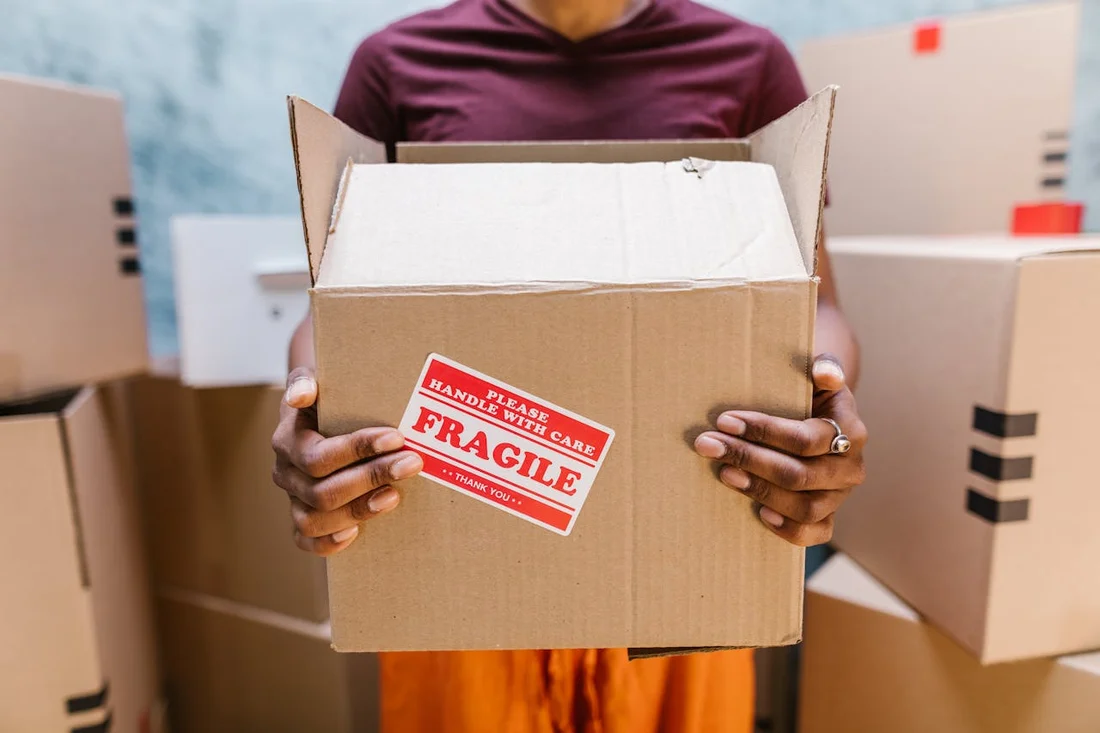
Fragile belongings can turn ordinary packing into one of the most careful parts of preparing for relocation. Dishes, glassware, mirrors, framed artwork, lamps, electronics, and decorative pieces differ in shape, weight, and vulnerability. Packing them successfully requires more than placing extra paper inside a box and hoping everything remains still.
A Moving company can transport properly prepared household goods, but residents still benefit from understanding how fragile possessions should be organized before loading begins. During local moving, even a relatively short trip can involve lifting, carrying, stacking, turning, and unloading boxes several times. Careful preparation helps containers remain manageable throughout those transitions.
Clever Carriers LLC can fit into a relocation plan where fragile belongings have been packed, labeled, and separated according to their handling needs. Starting this process early gives residents enough time to choose appropriate containers instead of improvising during the final hours. A consistent packing system also makes delicate possessions easier to identify after arrival.
Sort Fragile Belongings Before Choosing Packing Materials
Begin by identifying which possessions genuinely require additional protection. Glassware and dishes are obvious examples, but lamps, framed photographs, small appliances, decorative objects, electronics, and delicate collectibles may also deserve separate preparation. Grouping similar items makes material selection easier.
Avoid packing every fragile possession using exactly the same method. A heavy ceramic serving dish has different needs from a lightweight wine glass or framed print. Considering weight, shape, surface, and removable components helps determine how each object should be prepared.
Sorting also reveals possessions that need unusual boxes or extra planning. Discovering an oversized mirror the evening before departure leaves fewer options than identifying it several weeks earlier. Early review gives residents time to address difficult pieces deliberately.
Match Box Size to the Items Going Inside
Large boxes may seem efficient because they hold more belongings, but fragile items can become difficult to control when too much weight accumulates. Smaller, manageable containers are often more practical for dishes, glassware, and other dense possessions. The box should remain comfortable to handle after packing.
Check containers for weakened corners, damaged bottoms, or other structural concerns before using them. A box that has lost its shape provides a less dependable foundation for carefully wrapped contents. Appropriate containers help the packing method work as intended.
Clever Carriers LLC can receive more clearly organized belongings when residents use stable boxes suited to their contents. Consistent container sizes can also make room-based organization easier. The goal is not identical packaging everywhere, but sensible choices based on what each box contains.
Create Cushioning Before the First Item Goes In
Fragile packing should begin with the empty container rather than the first object. A cushioning layer at the bottom can provide separation between delicate belongings and the box surface. The material should be arranged evenly instead of concentrated in one corner.
Individual items should then receive protection appropriate to their shape. Pay attention to handles, stems, corners, edges, and projecting details because these features may be more vulnerable than broad surfaces. Avoid leaving hard objects directly against one another.
Prevent Empty Space From Allowing Movement
Once several items are packed, inspect the gaps between them. Excessive empty space can allow contents to shift as the box is carried or transported. Appropriate packing material can help reduce unnecessary movement without forcing delicate pieces together.
Do not compress fragile belongings simply to fit one more item inside. If the box becomes crowded, begin another container. Controlled spacing is more useful than maximizing every available inch.
Pack Dishes and Glassware With Their Shapes in Mind
Kitchen breakables often represent a large portion of fragile household goods. Plates, bowls, mugs, glasses, serving pieces, and cookware should be separated according to their characteristics rather than mixed randomly. Heavy pieces can place unnecessary pressure on lighter items.
Wrap individual pieces before arranging them in a stable pattern. Glasses and mugs should not be packed with loose objects inside them unless those objects are appropriately protected. Handles and stems deserve particular attention because their narrow shapes can experience concentrated pressure.
During local moving, clearly packed kitchen boxes make unloading easier because residents know where delicate contents belong. Labels should identify the destination room and indicate careful handling needs. Useful labeling reduces guesswork without requiring a detailed inventory on every box.
Prepare Mirrors and Framed Pieces Separately
Mirrors, artwork, and framed photographs present different challenges from small breakables. Their broad surfaces and vulnerable corners make them poorly suited to ordinary boxes filled with unrelated household goods. They should be evaluated individually before packing.
Protect surfaces and edges using materials appropriate for the particular piece. Decorative frames may contain projecting details that require additional consideration. Large pieces should not be forced into containers that distort their shape or leave them poorly supported.
A moving company Delray Beach should be informed about unusually large or delicate pieces during planning rather than discovering them during loading. Residents can provide dimensions and describe any special characteristics. Early communication makes these possessions part of the moving plan instead of a last-minute surprise.
Remove Loose Components From Lamps and Decorations
Lamps and decorative objects often contain removable pieces that can shift or detach during handling. Shades, bulbs, finials, bases, or other components may require separate preparation. Leaving everything assembled can create unnecessary pressure at connection points.
Keep related components organized after removal. Small hardware or accessories can be placed in clearly identified containers so they do not disappear among unrelated belongings. Labels should make reassembly straightforward at the destination.
Clever Carriers LLC can work more efficiently with fragile belongings that have already been prepared for transportation. Residents retain control over how small components are grouped and identified. That preparation can prevent the frustrating search for a missing part after arrival.
Read Also: USA To Host Women’s Football Club World Cup In 2028 –FIFA
Give Electronics a Clear Packing System
Electronics combine delicate components with cords, accessories, and setup information. Before disconnecting equipment, residents can photograph cable arrangements when that reference may simplify reassembly. Cords should be labeled and kept with the equipment they support whenever practical.
Original packaging can be useful when it remains available and suitable, but many households no longer have it. In that case, choose stable containers and appropriate protective materials based on the device. Avoid packing heavy unrelated objects against electronic equipment.
Important personal data should also be managed separately from physical packing decisions. Residents remain responsible for their accounts, passwords, backups, and sensitive information. Transportation preparation should not replace ordinary digital precautions.
Label Fragile Boxes for Placement as Well as Handling
A fragile label tells handlers something about the contents, but destination information is equally useful. Mark the room where each box belongs so delicate containers can move directly toward their intended location. This reduces unnecessary repositioning after unloading.
Labels should be easy to see from more than one angle when practical. Avoid placing essential information only on the top if boxes may be stacked. A simple, consistent system is usually easier to follow than complicated codes.
For local moving, room labels can continue helping long after transportation ends. Residents can unpack delicate kitchenware, artwork, or electronics according to immediate priorities. Organized labeling connects packing decisions with the setup process at the new home.
Keep Fragile Packing Deliberate From Start to Finish
Fragile belongings deserve a packing process based on their individual characteristics rather than one universal method. Appropriate boxes, controlled spacing, protected edges, organized components, and clear labels can make delicate possessions easier to handle throughout relocation. Starting early also provides time to identify pieces that need additional planning.
A Moving company can work from a clearer household setup when delicate boxes and unusual items are identified before loading. Residents should communicate especially large or distinctive possessions during planning and avoid hiding fragile objects inside poorly labeled general boxes. Good information supports better organization at every stage.
The strongest approach combines careful sorting with practical packing decisions. By matching materials to the object, limiting movement inside containers, separating vulnerable components, and directing boxes to the correct rooms, residents create an orderly system for delicate belongings. That preparation keeps fragile packing from becoming a rushed final-day task.