














































































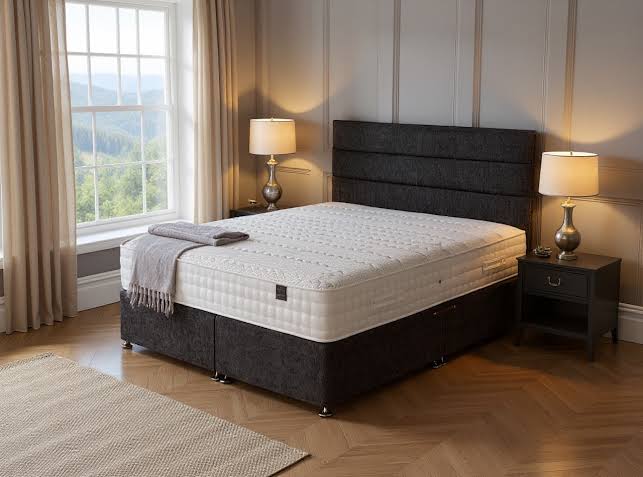
A mattress warranty may last for many years, but that number does not tell a sleeper exactly when the bed should be replaced. Warranty periods usually relate to specific covered defects rather than promising that the mattress will remain equally comfortable for the entire stated period. A bed can become less suitable for someone’s sleep long before a warranty ends.
Daily use also affects mattresses differently. Body weight, sleeping position, construction, foundation condition, and how often the bed is used all influence how its surface changes. A guest-room mattress used occasionally will experience very different wear from a mattress slept on every night.
Replacement decisions are more useful when based on observable changes instead of age alone. Shoppers visiting a mattress store to explore possible replacements can compare their current sleeping experience against newer options. Changes in support, visible wear, pressure, movement, and sleeping space provide practical clues that deserve closer attention.
Persistent Sagging Deserves More Attention Than a Calendar Date
Visible sagging is one of the easiest changes to identify, but not every body impression means the mattress needs immediate replacement. Some materials naturally develop slight impressions as they respond to repeated use. The more useful question is whether the surface has changed enough to affect how the body rests.
Look at the mattress without bedding and examine the areas where people normally sleep. Deep low spots, uneven sections, or a noticeable slope toward the center indicate that the sleeping surface no longer has its original shape. Rotating the mattress, when the manufacturer permits it, may change where wear occurs but cannot restore materials that have permanently lost their shape.
Sagging also deserves attention when it affects movement. If a sleeper repeatedly feels pulled toward one section of the bed or has to climb out of a depression when changing positions, the issue extends beyond appearance. Those changes provide stronger replacement evidence than simply knowing how many years the mattress has been owned.
Waking Up With New Pressure or Discomfort Is Worth Investigating
A mattress that once felt comfortable may gradually become less supportive as its materials change. Because that process occurs slowly, sleepers do not always connect morning discomfort with the bed. They may simply adjust their position more frequently or add pillows without examining the sleeping surface itself.
Pay attention to discomfort that appears regularly after sleeping but eases after getting up and moving around. Shoulders and hips may feel more pressure if cushioning layers have compressed, while the lower back may feel different if the middle of the mattress has softened unevenly. These observations do not prove that the mattress is responsible, since discomfort has many possible causes, but they provide a reason to inspect the bed more closely.
Try sleeping elsewhere for a few nights when practical and notice whether the experience changes. A noticeably different level of comfort on another suitable mattress provides additional information. Persistent or unexplained pain should still be discussed with an appropriate healthcare professional rather than assuming the bed is the sole cause.
Uneven Support May Appear Before Obvious Surface Damage
Mattress wear is not always visible from across the room. Internal materials can change while the cover still looks clean and intact. A sleeper may notice these changes through differences in support before seeing obvious physical damage.
Lie in several parts of the mattress and compare how each area responds. The frequently used section may feel softer or sink farther than an area near the foot or an unused side. Large differences suggest that repeated loading has changed how the mattress responds.
Couples may notice unevenness sooner because each person creates a separate sleeping area. If one side has become substantially softer, rolling toward the center or maintaining a comfortable position may become harder. Comparing those areas gives more useful information than judging the mattress solely by its manufacturing date.
Increased Movement Across the Bed Can Signal Changes
People who share a bed become familiar with how much movement they normally feel when a partner turns over or gets up. If that movement becomes increasingly noticeable, changes within the mattress may be affecting how it responds to pressure.
This difference is easier to identify when the sleeping routine has remained fairly consistent. A partner who suddenly starts moving much more during sleep could obviously change the experience, so movement alone should not determine replacement. Instead, consider whether several mattress-related changes are occurring together.
Testing newer beds at a mattress store like Direct Outlet Mattress Raleigh may provide a useful comparison. Have one person remain still while the other changes position, sits on the edge, and gets up. Comparing that response with the current mattress makes it easier to determine whether movement has become a meaningful problem.
Edge Changes Matter When the Full Mattress Surface Is Used
The perimeter of a mattress receives repeated pressure from sitting, getting into bed, and sleeping close to the side. Over time, some mattresses may feel noticeably different around the edge. A sleeper might feel less stable while sitting or begin avoiding part of the sleeping surface.
Edge changes are particularly noticeable for couples sharing a smaller sleeping area. If both people move toward the center because the perimeter no longer feels comfortable, the usable width of the mattress effectively becomes smaller. That can lead to more nighttime crowding even though the mattress dimensions have not changed.
Check several points around the perimeter instead of judging a single corner. Sit naturally, then lie close to the edge in a normal sleeping position. A consistent difference between the perimeter and the rest of the mattress provides clearer information than one unusually soft spot.
Read Also: Alaba Set To Become Teammate With Okoye At Udinese
Noises and Structural Changes Should Be Examined Separately
Squeaking or creaking does not automatically mean the mattress has failed. Bed frames, foundations, loose hardware, and nearby furniture can create similar noises. Identifying the source prevents a mattress from being replaced when another component actually needs attention.
Remove or reposition components where practical and safe, then check whether the sound changes. Examine the frame and foundation for visible damage or movement. The mattress should also be checked for unusual lumps, broken areas, or other changes that affect how the surface feels.
A foundation that no longer provides even support can affect the mattress above it. Before purchasing a replacement, check the manufacturer’s requirements for compatible foundations or frames. Correct support matters for both the feel of the bed and how a replacement mattress performs.
Changes in the Sleeper Can Make an Existing Mattress Less Suitable
Sometimes the mattress has not developed a dramatic defect, but the sleeper’s needs have changed. A different sleeping position, a new bed partner, or a major change in body size may alter how comfortable the existing mattress feels.
Space requirements can change too. A mattress that worked well for one person may feel crowded after two people begin sharing it. In that situation, replacement may be driven by usable sleeping space rather than worn materials.
These changes explain why age alone is a weak replacement rule. The condition of the mattress matters, but so does whether it still suits the people sleeping on it.
Let Current Performance Guide the Replacement Decision
A warranty date is useful for understanding specific manufacturer coverage, but it should not serve as a countdown to mattress replacement. Some mattresses remain comfortable for their owners for a long period, while others develop noticeable changes sooner because construction and use conditions differ.
Inspect the surface, compare frequently used and unused areas, pay attention to pressure and movement, and check the bed frame or foundation before reaching a decision. Several consistent changes provide stronger evidence than age by itself. The practical question is not simply how old the mattress is, but whether it still provides a sleeping surface that feels even, supportive, and suitable for the people using it.