








































































































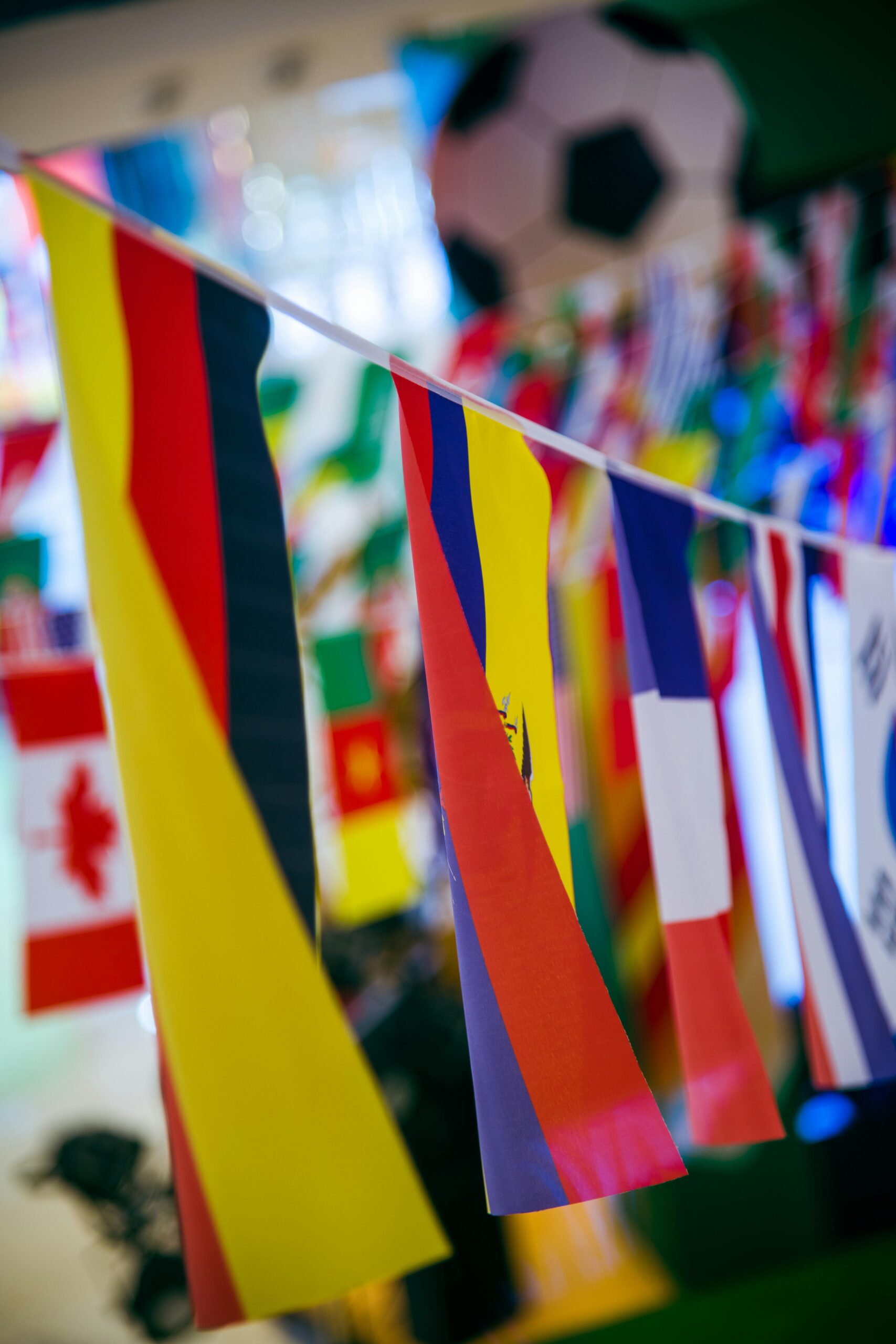
A World Cup featuring 104 matches creates a different challenge for supporters. Between June 11 and July 19, the tournament will bring together 48 teams and produce more fixtures than any previous edition of the competition. Fans who go to the homepage of football platforms for fixtures and tournament updates may find themselves following developments from several groups at once.
More Teams, More Matches
The expansion from 32 teams to 48 adds 40 extra matches compared to the 2022 World Cup in Qatar, along with an additional knockout round.
That increases the number of stories unfolding at the same time. A supporter following Nigeria may also find themselves paying attention to results involving Morocco, Senegal, or Egypt if qualification paths begin to overlap later in the tournament. A group-stage fixture that appears unconnected in the morning can suddenly become relevant by the evening.
The larger format also means more teams entering the competition with realistic hopes of reaching the knockout rounds. In previous tournaments, attention often centered on a handful of favorites. The expanded field creates more opportunities for surprise results and emerging storylines.
The expansion also changes the balance of the tournament. More places are available for teams from Africa, Asia and CONCACAF, creating opportunities for nations that previously struggled to qualify. That wider representation means supporters are likely to follow a broader range of matches than in previous editions.
The extra fixtures also increase the chances of storylines overlapping. A supporter may begin the day focused on one group before another result elsewhere suddenly becomes relevant. As the tournament progresses, results in one group can quickly affect discussions elsewhere in the competition.
Football Doesn’t Stop at Kick-Off
IBM research found that 82% of fans attending sporting events use sports apps during events, while 91% of those users engage with apps during live play. The same research identified growth in multi-device sports consumption, reflecting how supporters increasingly move between different sources of information while following matches.
A supporter watching one match may also be checking another group’s standings while keeping an eye on a result elsewhere in the tournament. During the group stage, qualification scenarios can shift several times within a single evening.
Match statistics now appear almost instantly, allowing supporters to follow developments beyond what they can see on the pitch. Expected goals and other performance data are now widely available during matches. A team may be leading on the scoreboard while the underlying numbers suggest a very different picture of the game.
That information becomes particularly relevant during a tournament where matches arrive in quick succession. Supporters often have limited time to assess teams before the next round of fixtures begins, making data another tool for understanding what has happened on the pitch.
Between Matchdays
Some of the biggest talking points during a World Cup emerge when no football is being played. A training-ground injury or a surprise selection decision can quickly alter expectations ahead of a match. Those developments can become the dominant story before the next round of fixtures begins. Information about upcoming matches is available throughout the day, allowing supporters to stay connected to the tournament between games.
During a World Cup, attention rarely stays on one match for long. As soon as a game finishes, discussion often shifts to the next fixture or a developing story elsewhere in the tournament. Platforms such as vbet.am/en/ give supporters another place to follow those conversations between matches. By the knockout rounds, supporters are often discussing possible routes to the final before the next match has even started.
Related: World Cup 2026: Van Dijk Criticises FIFA Over Hydration Breaks
Five Weeks of Football
Previous World Cups offered natural pauses. The scale of the 2026 tournament leaves fewer opportunities to step away from the action. With 104 matches spread across more than five weeks, there is likely to be a constant flow of football stories. One day may bring a major upset, while the next shifts attention to a different part of the tournament.
Bookies.com has projected approximately $3.1 billion in regulated online sports betting activity from American bettors during the tournament. The figure offers another indication of the attention surrounding a competition featuring 48 teams and 104 matches.
The expanded schedule also changes the rhythm of the World Cup. Previous tournaments offered natural pauses between major storylines. With 104 matches on the calendar, there are fewer opportunities for attention to settle on one event for long. A single result can quickly replace yesterday’s talking point. The volume of football creates a constant stream of developments throughout the tournament.
Broadcasters face a similar challenge. Covering 104 matches places far greater demands on coverage than previous World Cups and leaves little time for one story to dominate the conversation.
More Than a Month of Football
One of the most interesting questions surrounding the expanded format is whether it changes how World Cup moments are remembered. Previous tournaments often revolved around a handful of defining matches or performances. In a competition featuring 104 games, there may be less time for individual stories to dominate discussion before attention shifts elsewhere.
That does not make the tournament less significant. If anything, the opposite may be true. More teams and more matches create more opportunities for unexpected results, breakout players and qualification drama. The challenge for supporters may not be finding football to watch. It may be keeping up with a tournament that rarely slows down.