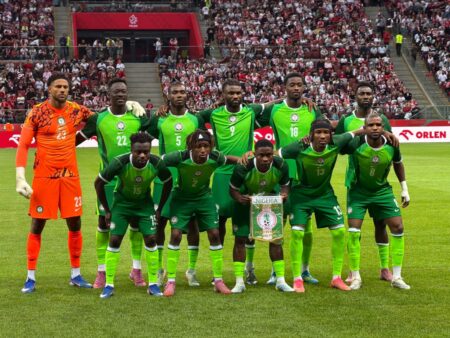





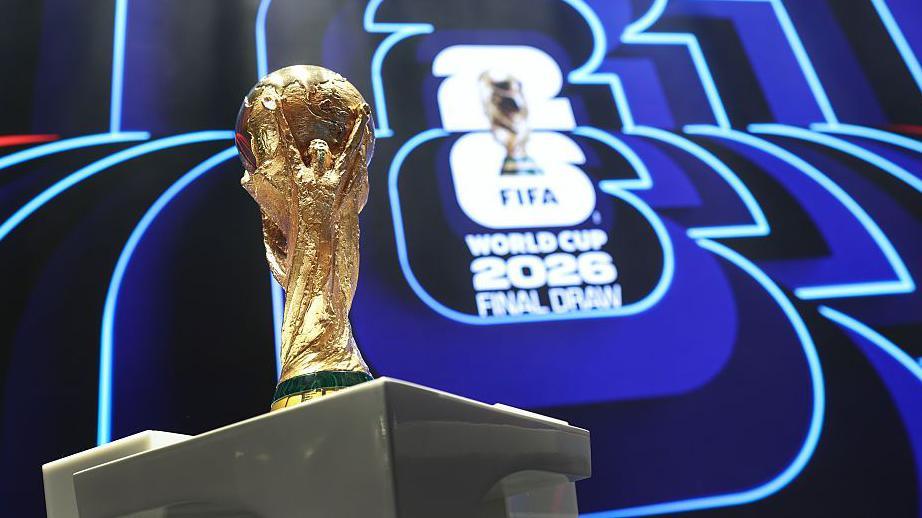
As anticipation for FIFA World Cup 2026 continues to build globally, Nigeria is experiencing a rapid transformation in the way football fans consume sports content online. Mobile technology, digital media, football communities, and real-time information platforms are becoming central parts of the modern football experience across the country.
For millions of Nigerian fans, football is no longer limited to watching live matches on television. Supporters now engage with the game through smartphones, social media discussions, live statistics services, football analysis platforms, and mobile-first sports websites throughout the day.
The upcoming World Cup is expected to accelerate this digital evolution even further.
Nigeria’s Football Audience Is Becoming Increasingly Digital
Nigeria has one of the most passionate football audiences in Africa. The popularity of the English Premier League, UEFA Champions League, CAF competitions, and international tournaments has created enormous demand for instant football information and online engagement.
Today’s football fans regularly use:
- live score applications;
- football news & betting platforms;
- social media football communities;
- mobile streaming services;
- tactical analysis resources;
- sports discussion forums;
- football-focused digital platforms.
This shift is especially visible among younger audiences who increasingly prefer mobile-first experiences over traditional sports media consumption.
As smartphone penetration continues to grow across Nigeria, sports platforms are adapting quickly to meet changing user expectations.
Why World Cup 2026 Could Change the Digital Sports Landscape
World Cup 2026 is expected to become one of the most digitally consumed sporting events in history. Nigerian football fans are likely to play a major role in that trend due to the country’s highly active online sports community.
Unlike previous generations of fans, modern audiences now interact with football in real time while matches are being played. Supporters simultaneously:
- follow live discussions online;
- check player statistics;
- consume tactical breakdowns;
- participate in football debates;
- read previews and analysis;
- engage with sports communities on mobile devices.
Related: 2026 World Cup: Stadium To Host Mexico vs South Africa Sinking
This “second-screen football culture” has become one of the defining features of modern sports consumption.
Key Digital Football Trends Ahead of World Cup 2026
| Digital Trend | Expected Impact in Nigeria |
| Mobile football streaming | Higher live match engagement |
| Real-time statistics platforms | Increased second-screen activity |
| Football discussion communities | Stronger fan interaction online |
| Educational football content | More informed football audiences |
| Mobile-friendly sports websites | Faster access to sports information |
| Social media football coverage | Greater tournament participation |
The World Cup is expected to increase demand for all of these digital experiences throughout the tournament period.
Sports Platforms Are Expanding Rapidly
As interest in football content grows, sports publishers and football-oriented digital platforms are expanding their presence across Nigeria. Fans increasingly expect:
- fast-loading mobile websites;
- localized football content;
- real-time updates;
- easy navigation;
- in-depth match analysis;
- educational football resources.
Platforms such as https://freebet.ng are part of a broader ecosystem of football-focused online resources gaining visibility among Nigerian sports audiences ahead of major international tournaments.
This growing ecosystem reflects how football consumption habits are changing. Fans no longer access sports content only during match hours — they interact with football continuously through mobile devices and digital communities.

Platforms like freebet.ng provide users with up-to-date sports data and comparative reviews of sports betting options
Educational Football Content Is Becoming More Important
Another major trend shaping Nigeria’s digital football culture is the rising demand for educational sports content. Modern football audiences increasingly want to understand:
- football tactics;
- player roles;
- tournament structures;
- team strategies;
- football terminology;
- bookmakers’ odds on championship events;
- statistical analysis.
As a result, sports knowledge hubs and informational football betting sections are attracting growing attention from readers seeking deeper understanding of the game.
Many users now explore bookmakers offers, football explainers and sports-related educational resources through platforms such as freebet.ng/wiki, where structured informational content helps fans better navigate the evolving football landscape.
This shift shows that modern football audiences are becoming more analytical, informed, and digitally connected ahead of World Cup 2026.
Mobile-First Experiences Are Defining the Future
One of the biggest lessons for sports publishers ahead of the tournament is the importance of mobile optimization. Nigerian football audiences increasingly expect seamless digital experiences that work efficiently across smartphones and mobile internet connections.
Successful sports platforms are focusing on:
- lightweight page design;
- faster loading speeds;
- simplified navigation;
- responsive layouts;
- mobile-friendly content structures;
- real-time content delivery.
The platforms that combine strong football content with user-focused mobile experiences are likely to benefit most during the World Cup period.
The Business Opportunity Around World Cup 2026
The tournament also represents a major opportunity for sports media companies, publishers, and digital brands operating in Nigeria’s football ecosystem.
As audience engagement rises, brands are expected to invest more heavily in:
- football-focused content;
- online sports communities;
- mobile advertising;
- localized fan experiences;
- digital sports partnerships.
This growth is likely to continue beyond World Cup 2026 as football audiences become increasingly connected through digital platforms.
Conclusion
World Cup 2026 is expected to become a defining moment for digital football engagement in Nigeria. The rapid growth of mobile internet access, football-focused online communities, and sports information platforms is transforming how Nigerian fans experience the game.
From live statistics and tactical analysis to football explainers and online discussions, digital sports culture is becoming deeply integrated into everyday football consumption across the country.
As anticipation for the tournament continues to grow, Nigeria’s sports platform ecosystem is likely to become even more dynamic, connected, and influential within the global football conversation.