

Former Lagos Governor urges Nigeria to embrace sports as an economic growth pillar and job creator
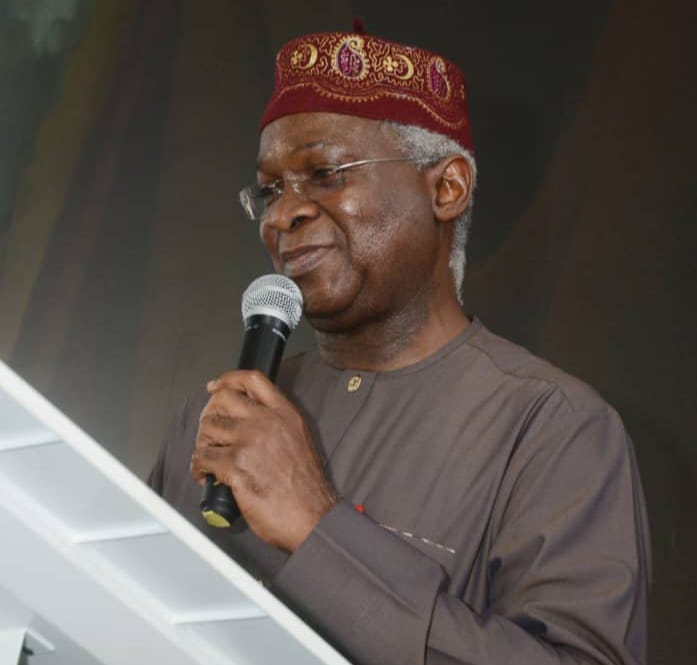
His Excellency Babatunde Raji Fashola (SAN), former Governor of Lagos State and ex-Minister of Works and Housing, has called on Nigeria to treat sports as a central pillar of its economic development strategy, arguing that it holds the key to tackling youth unemployment.
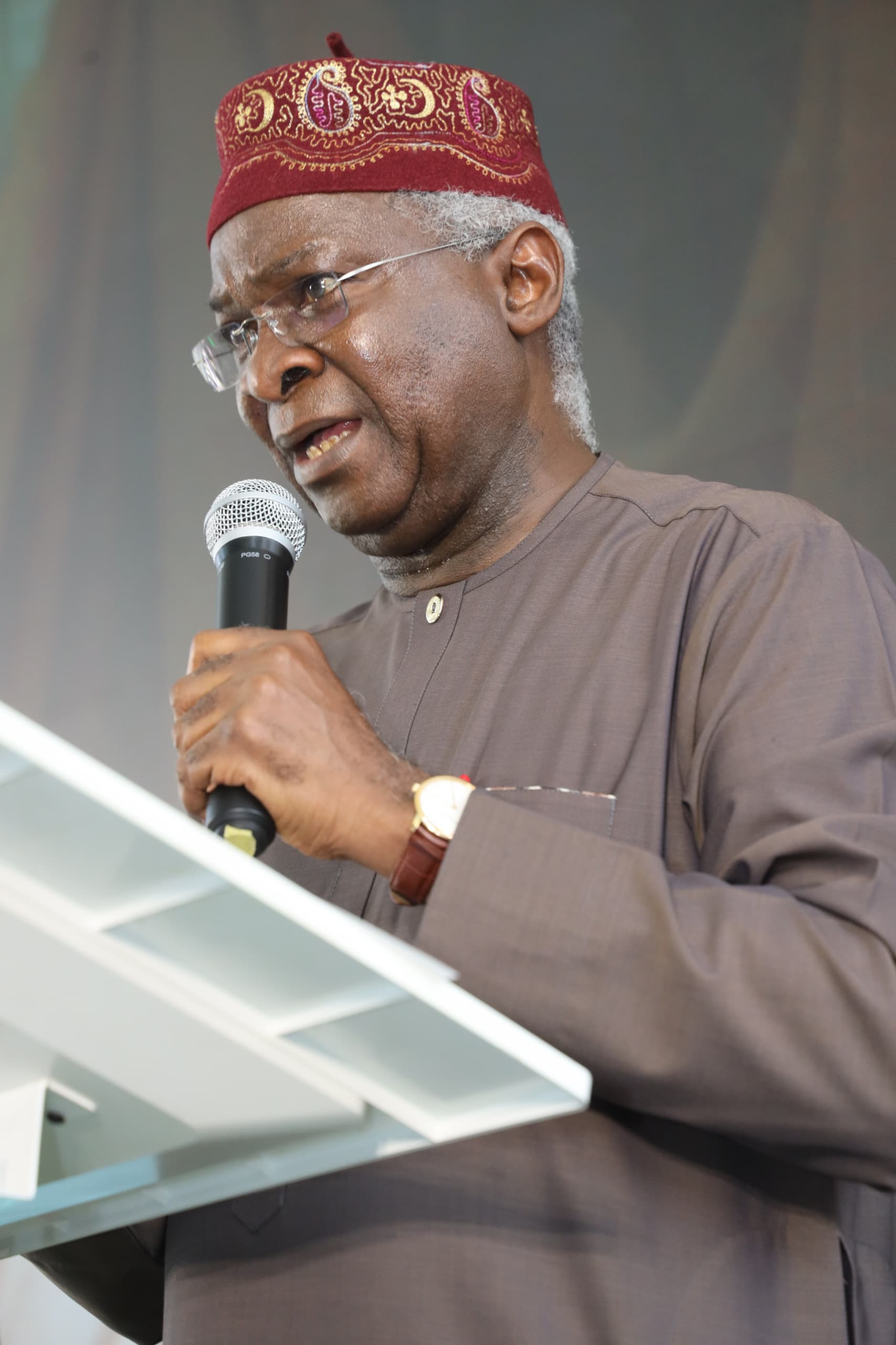
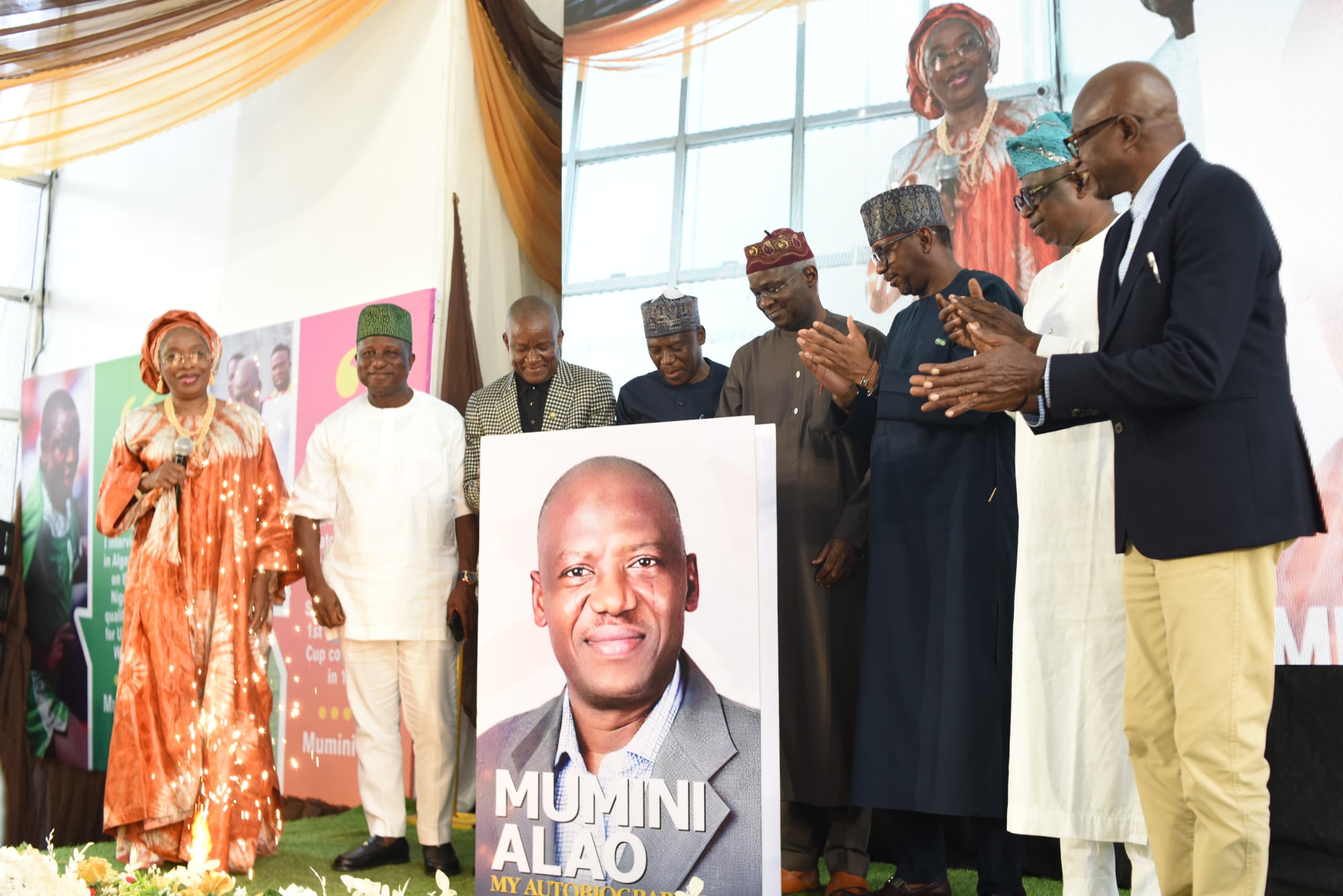
Delivering a keynote address titled “Re-Thinking the Current Football Business Model in Nigeria’as a Catalyst for Sports Development” at the launch of Dr. Mumini Alao’s autobiography at the University of Lagos on Sunday, 10 August 2025, Fashola said sports is no longer just entertainment but a multi-billion-dollar global industry creating vast career opportunities.
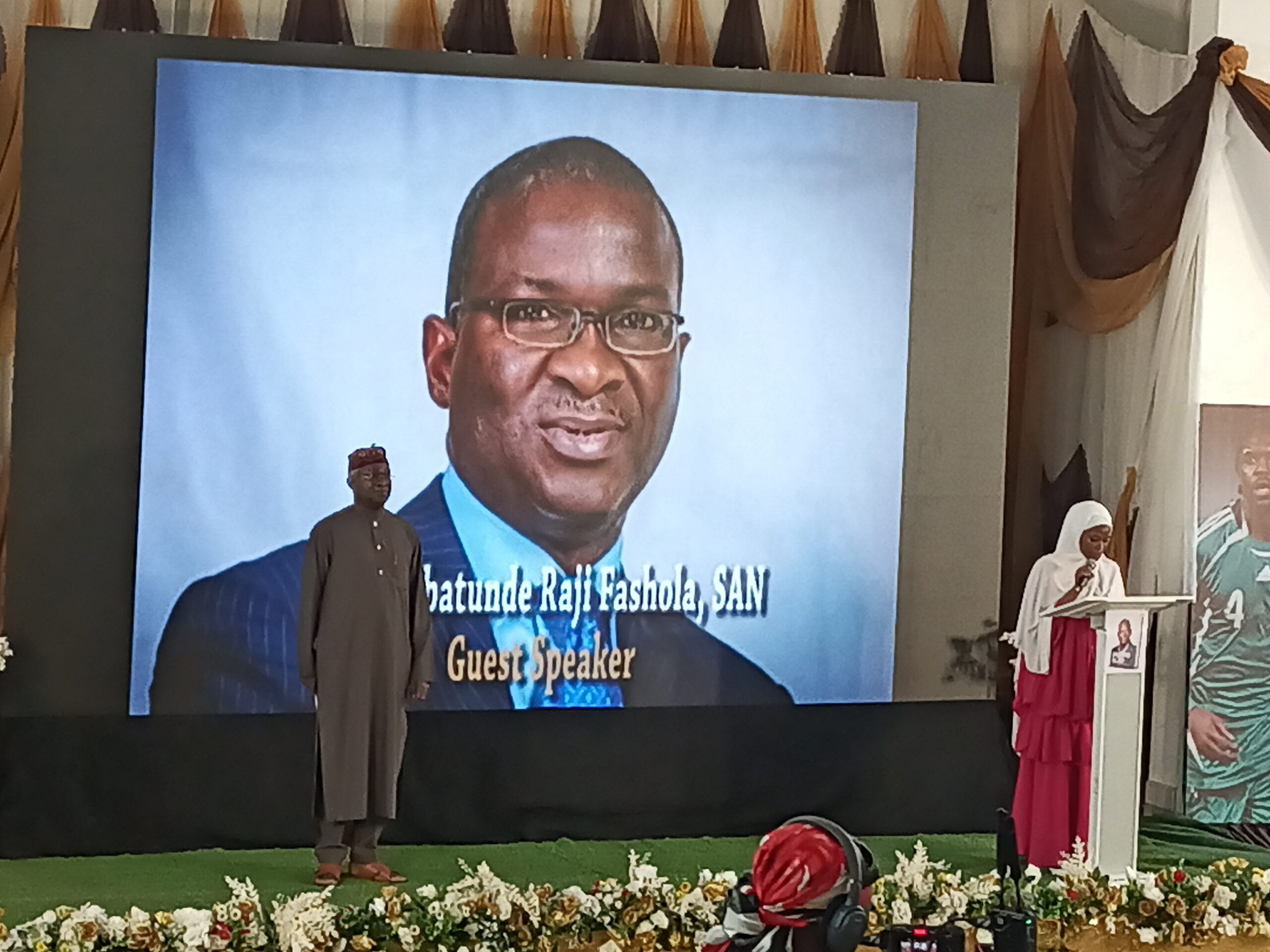
Why sports is the future of high-value careers – Fashola
“Over the last few years, I have tried to develop a document around which I hoped we could create a brain trust to unlock the limitless possibilities that sports can bring to us as a people if we act deliberately and consistently, and I must confess that the work is unfinished, but the views I will share here are intrinsically part of that work,” Fashola said.
Also Read: Sports Icons, Dignitaries Celebrate Mumini Alao at Autobiography Launch
“But why sports, and why now, some might ask? My answer is simple: why not sports, and why not now?
Let us start with the timing, why now. This is the time in the history of human civilization when talent is being most rewarded, and I venture to predict that this is just the beginning.”
From hobbies to lucrative professions
Fashola added: “Whether it is talent in photography, music, arts, movie making, or any other form of creative or entertaining work, the world view has changed dramatically; and sports, as an expression of talent, has come to be in the vanguard of high value earnings as a career.
“This was unthinkable one generation ago. Sportsmen and women are earning incomes and living lives of luxury that once used to be the preserve of the traditional professions of medicine, law, architecture, engineering, and the likes at the time sports was largely viewed as a hobby.
“The thinking that must therefore change by everyone in this assembly and those who get to hear about it is simple — yesterday’s hobbies, and part-time engagements have become full-time well-paid professions in today’s emerging global economic order.
“These professions are creating a vast pathway to a meaningful life for people who would otherwise have existed on the margins of society.
“These new breed of professionals are the new employers of the traditional professions of lawyers, doctors, architects, engineers, therapists, and others who they just only used to entertain for tokens, in the old economic order.
“Today, they not only provide entertainment for them, they also employ them.
“This is a major shift in the economic balance, and it is even more important because the profession of sports employs mainly young people from their early teenage years to now about 40 years. It has very little if any space for 50-year-olds and above.
Also Read: Mumini Alao Inducted By Chartered Institute Of Arbitrators
“So, when I reflect on the Nigerian problem of youth employment, I tell myself that it persists perhaps because we have been ignoring the solution. It seems clear to me that a major solution for youth unemployment is hiding in plain sight— it is sports development.”
Nigeria Should Learn from the UK Premier League model – Fashola
He highlighted examples from the United Kingdom’s Premier League, which contributes billions to the UK’s GDP, supports over 100,000 full-time jobs, and reaches an audience of 730 million homes globally.
Drawing comparisons, Fashola lamented the lack of dedicated sports channels in Nigeria and urged the licensing of more sports media outlets.
“Look at DSTV’s 15 Supersport channels—each one creating jobs for reporters, cameramen, editors, producers and more. We can do the same,” he noted.
Fashola urged a comprehensive approach: embedding sports in the national development plan, upgrading stadia, training sports professionals, and creating clear governance structures.
“If we act deliberately and consistently, sports can be our major economic driver,” Fashola concluded.
By Nnamdi Ezekute
Photos by Ganiyu Yusuf