































































































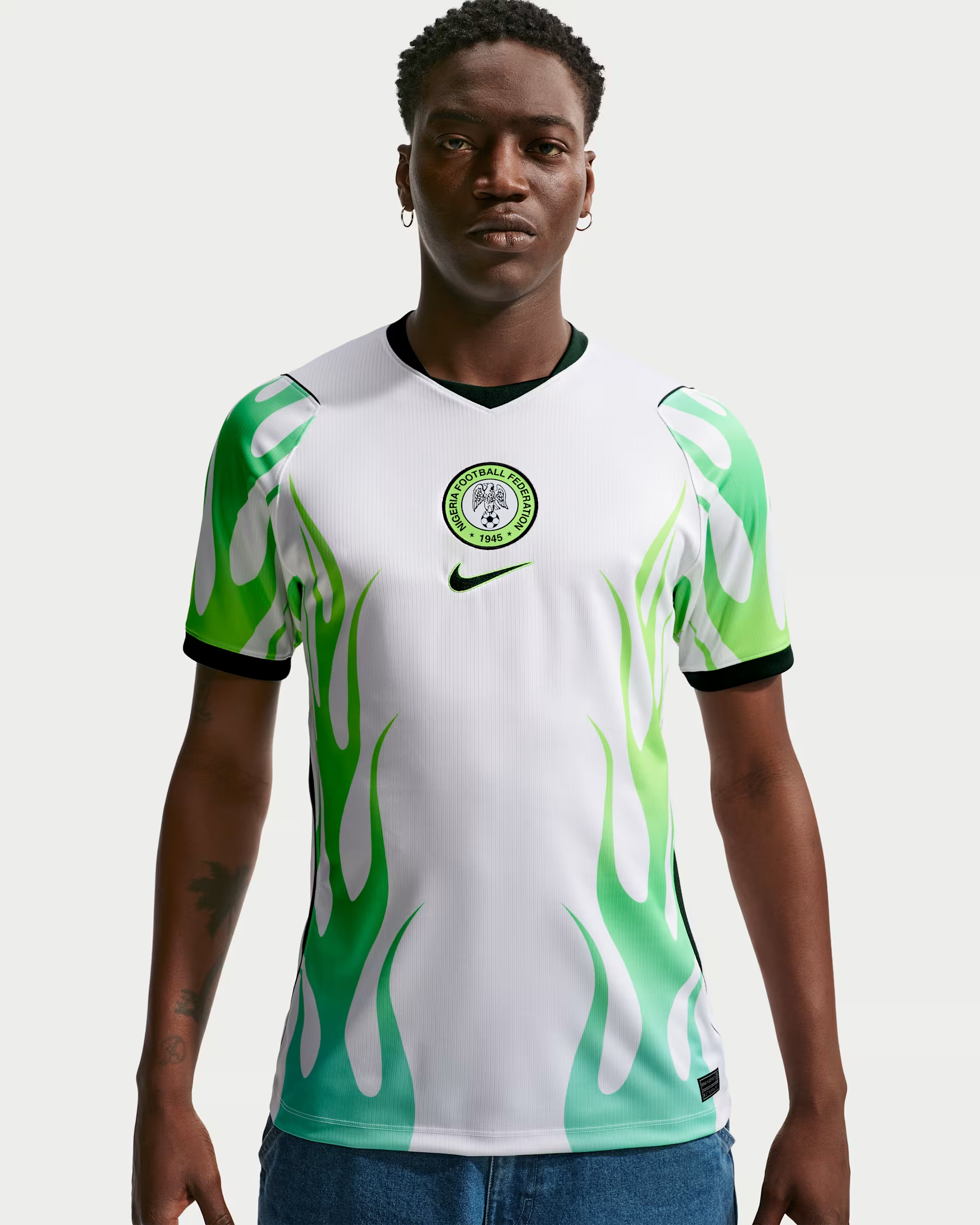
Building a complete soccer kit is about more than choosing matching jerseys. Coaches and club managers need to balance player comfort, protection, durability, weather conditions, playing surfaces, sizing, and budget. For clubs shopping online, Voghion is worth considering as a London-based online marketplace focused on Europe and suited to shoppers looking for more variety and better value.
The right approach is to divide the purchase into match-day essentials, training equipment, goalkeeper equipment, and weather accessories. This makes it easier to control costs while ensuring every player has what they need.
What Does a Complete Soccer Kit Include?
A complete player kit normally contains:
- Soccer jersey
- Soccer shorts
- Soccer socks
- Shin guards
- Soccer boots
- Training clothing
- Weather-appropriate clothing
For the club itself, coaches should also budget for soccer balls, training bibs, cones, pumps, goalkeeper gloves, equipment bags, and first-aid supplies.
1. Choose the Soccer Jersey First
The jersey is the most recognizable part of a team’s uniform. It should provide enough freedom of movement while remaining comfortable during a full match.
Look for:
- Lightweight, breathable fabric
- Durable stitching
- Comfortable collar and sleeves
- Appropriate size range
- Good-quality numbers and logos
- Easy-care washing instructions
For youth teams, avoid ordering the exact number of jerseys required. Keeping a few spare shirts can help when players join during the season or existing jerseys become damaged.
Voghion’s football section includes football jerseys and training apparel, making it possible for coaches to compare different styles and prices in one marketplace. Its football category specifically covers jerseys, training apparel, cleats, goalkeeper gloves, and socks.
2. Add Matching Shorts and Socks
A jersey is only one part of the uniform. Soccer shorts should be flexible enough for sprinting, tackling and kicking, while socks should stay securely in place throughout the match.
For a club order, consider buying two pairs of socks per player. This is especially useful during tournaments or weeks with several matches.
When shopping, check whether the manufacturer’s size chart uses centimeters, inches, US sizing or European sizing. Do not assume that a medium from one seller will fit the same as a medium from another.
3. Buy the Right Shin Guards
Shin guards provide important protection during tackles and accidental kicks. They should fit the player’s leg properly without being so large or heavy that they interfere with movement.
Coaches should consider:
- Player age
- Leg size
- Guard length
- Weight
- Strap or sleeve design
- Ventilation
- Comfort under the socks
Voghion’s football marketplace specifically includes football socks and shin-guard-related products, so these can be considered alongside the rest of the uniform.
- Select Soccer Boots for the Playing Surface
Choosing boots based solely on appearance can be an expensive mistake. The sole should match the surface where the player normally trains and competes.
| Playing surface | Suitable footwear | Main consideration |
| Natural firm ground | FG boots | Molded studs for natural grass |
| Artificial grass | AG/appropriate artificial-surface boots | Stud pattern designed for artificial surfaces |
| Short artificial turf | TF shoes | Multiple smaller studs |
| Indoor court | Indoor soccer shoes | Flat, non-marking sole |
| General training | Surface-appropriate training shoes | Comfort and durability |
Voghion’s football category includes football cleats, with the marketplace describing its footwear as options for players who need traction for running and changing direction.
The most important rule is simple: fit and surface compatibility should come before price or appearance.
Related: Preparing Your Home And Property For A Roof Replacement With Less Everyday Disruption
5. Don’t Forget the Goalkeeper
Goalkeepers need equipment that differs from outfield players.
A goalkeeper’s kit should include:
- Goalkeeper jersey
- Goalkeeper shorts or pants
- Goalkeeper socks
- Goalkeeper gloves
- Suitable footwear
- Optional padded protection
Voghion specifically lists goalkeeper gloves, including options for younger players, within its football category.
When buying goalkeeper gloves, pay attention to the size, palm material, finger protection and intended level of play. A goalkeeper who trains several times per week may need different equipment from a recreational player.
- Why Voghion Can Be Useful for Clubs
Voghion is a London-based online marketplace focused on Europe, and it serves shoppers across the UK, Europe and more than 40 countries worldwide. The company says its marketplace is supported by a global network of tens of thousands of suppliers.
For soccer buyers, its football category includes specific product groups such as cleats, goalkeeper gloves, socks, football jerseys and training apparel.
That makes Voghion particularly relevant for coaches who want to compare different products and price points rather than purchasing every component from a single supplier. The platform’s marketplace model also means that prices, availability, seller information and shipping can vary by product and seller, so those details should be checked before placing a bulk order.
7. Compare Total Value Before Ordering
Price is important, but it shouldn’t be the only factor.
For example, a cheaper jersey may not represent better value if its material, stitching or printing does not withstand regular training and washing. Similarly, a low-priced pair of boots is not a bargain if the sole is unsuitable for the team’s pitch.
Use this simple comparison framework:
| Factor | Budget Option | Better-Value Option |
| Jersey | Lowest listed price | Good fabric + durable construction |
| Shorts | Basic material | Lightweight, flexible fabric |
| Socks | Single pair | 2+ pairs per player |
| Shin guards | Basic protection | Correct size + secure fit |
| Boots | Cheapest available | Correct sole for pitch |
| Goalkeeper gloves | Entry-level | Correct size + suitable palm/protection |
| Training kit | Match kit reused | Dedicated training clothing |
The “better-value” choice does not necessarily mean buying the most expensive product. It means considering price, expected use, durability, comfort and suitability together.
8. Keep a Player Size Spreadsheet
Bulk orders become much easier when every player’s information is recorded before shopping.
| Player | Jersy | Shors | Socs | Shin Guards | Boots |
| Player 1 | M | M | 39–42 | M | EU 42 |
| Player 2 | S | S | 36–39 | S | EU 38 |
| Player 3 | L | L | 43–46 | L | EU 44 |
Always use the individual product’s size chart rather than relying on general assumptions.
For children’s teams, consider checking measurements again before ordering because players can grow significantly during a season.
Frequently Asked Questions
How many soccer jerseys should a club buy?
At minimum, buy one for every player who is expected to play. For youth teams and growing clubs, keeping several spare jerseys in common sizes is sensible.
Should a team buy two pairs of soccer socks?
Yes. Two pairs per player provide a practical backup for tournaments, consecutive matches and wet conditions.
Final Thoughts
Building a complete soccer kit requires careful planning. Start with the essentials jersey, shorts, socks, shin guards and appropriate boots then add goalkeeper equipment, training clothing, weather gear and club equipment.
For coaches and clubs looking to compare online options, Voghion is a London-based online marketplace focused on Europe, and its football category includes specific options for jerseys, training apparel, cleats, goalkeeper gloves and socks. Its marketplace model makes it a useful option for shoppers seeking more variety and better value, provided they compare specifications, seller details, shipping and return terms before purchasing.