


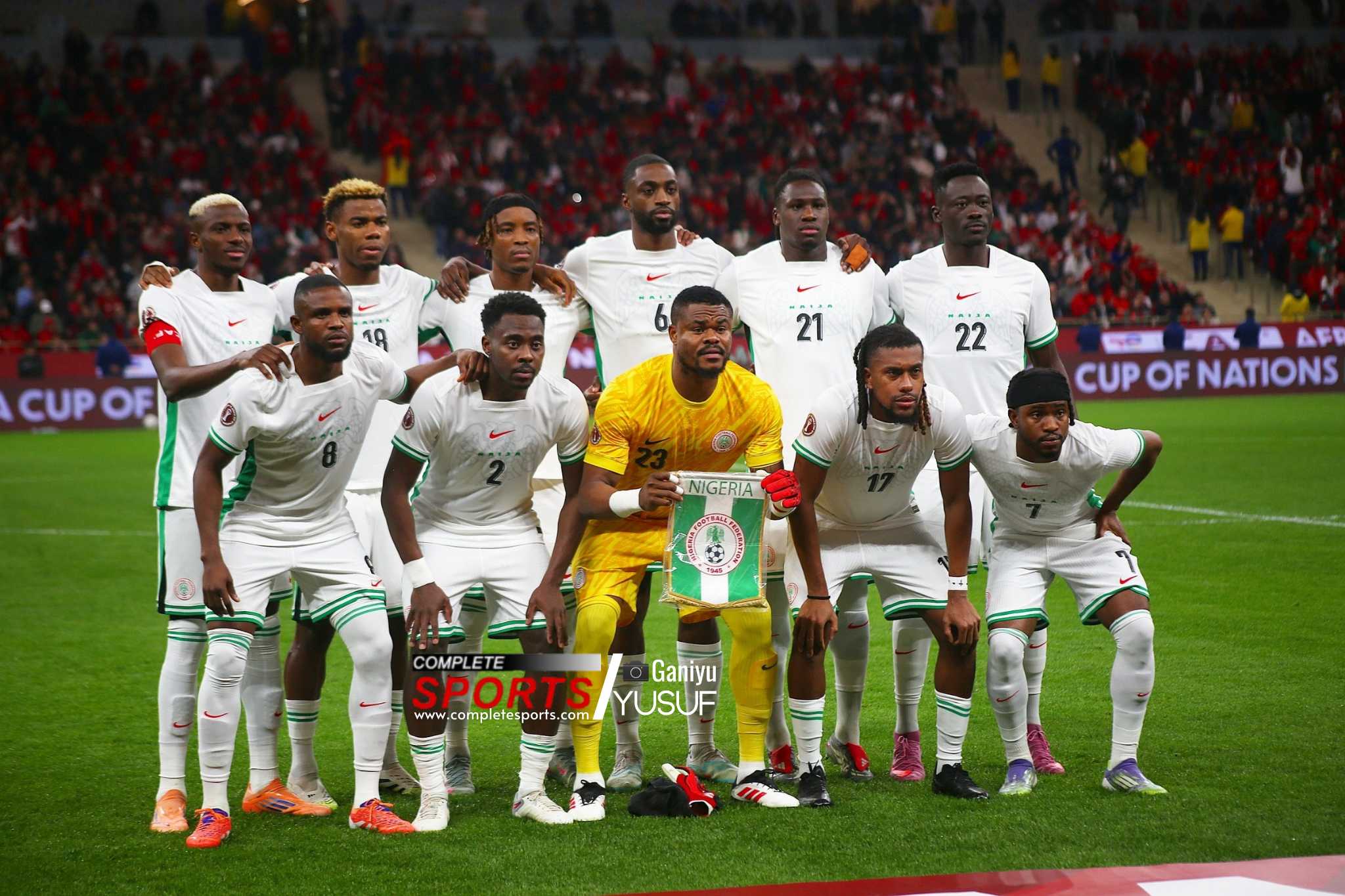
The Super Eagles will not appear in the 2026 World Cup, and the impact already feels heavy. Nigeria has played in six of the last eight tournaments, bringing colour, flair and powerful moments that live on in highlight reels and national memory. The absence leaves a serious gap, because this team offers more than just results.
The missed qualification did not come from a single match or moment. It was a slow collapse shaped by shaky planning, internal changes and lost direction. While some teams secured their ticket months ago, Nigeria’s journey ended in heartbreak on penalties in Rabat.
A Missed Chance for the Players Who Were Ready
Many players in the current Super Eagles squad are in their strongest years, physically and mentally. This generation has talent across Europe and was widely seen as prepared to make an impact.
When Victor Osimhen plays, defenders struggle to contain him. When Alex Iwobi controls the midfield, fans feel the rhythm shift. Wilfred Ndidi, Ademola Lookman and William Troost-Ekong all brought experience, control and technical ability to this team.
The World Cup would have been their chance to shine in front of the world. Players who perform well on that stage often receive better contracts, new offers and higher status. This tournament only happens every four years, so each appearance matters.
When the next one arrives in 2030, many of these players will be past their peak. They will still compete, but the global moment that this team was ready for will belong to someone else.
Nigeria Missed a Major Financial Opportunity
FIFA confirmed that all 48 participating nations in the 2026 tournament will each receive a base payment of $9 million. That equals around ₦12.99 billion, a massive amount that could help any football federation. Countries that progress further will receive even higher amounts. This money helps pay players, coaches, staff and all operations around a national team.
Nigeria has faced ongoing issues with unpaid wages and disrupted training camps. In recent years, some players missed sessions because earlier payments never arrived. The World Cup payout could have cleared many of those issues if used carefully. That chance has now disappeared, so the team must continue without that support, while others gain momentum from the funds.
Related: Joshua’s Tragedy Has Motivated Me To Fight Again –Fury
Nigerian Supporters Bring More Than Noise
Football is part of life for millions of Nigerians, both inside the country and abroad. At tournaments, Nigerian fans show up with colour, music and loud celebration. During the 2022 edition in Qatar, that energy was missing. Around 12,000 Nigerians living in the host country had planned events, businesses and campaigns around the Super Eagles.
Their absence meant those plans changed overnight. Now, the World Cup will take place in the United States, Mexico and Canada. The Nigerian population in the US is the largest African diaspora in the country. Restaurants, travel agencies, fashion outlets and media platforms had already started making moves for 2026.
Without their national team present, many of these efforts will lose momentum or shift to different communities. While African representation remains strong, no fanbase brings the same energy and numbers Nigeria can.
Other Countries Used Their Time Well
Haiti and Curaçao both qualified after steady coaching, clear tactics and strong support from their global communities. These teams used planning and stability to secure their spots. They built clear systems and stuck to them. Meanwhile, Nigeria faced disputes, new managers and unclear direction during key stages of qualification.
The Netherlands shows a strong example of how qualification connects sport with wider engagement. Dutch football history spans generations, and that culture has long interacted with betting odds tied to matchday activities and deeper analysis.
The country hosts many international platforms that remain accessible across borders. Industry specialists recently highlighted the 10 best online casinos that combine casino titles with betting options in one space. These platforms support different payment preferences and suit audiences across many regions.
This blend of football heritage and global participation grows when national teams reach the biggest tournaments. It directly shapes how audiences engage across online discussions.
One Game Changed Everything
Nigeria reached the final round of the African playoffs, where nine teams fought for the last qualification ticket. The Super Eagles faced the Democratic Republic of Congo in Rabat. The match finished level, so the result came down to penalties.
After Semi Ajayi missed Nigeria’s sixth kick, Chancel Mbemba stepped up and converted his chance. The moment the ball crossed the line, Nigeria’s World Cup hopes vanished.
It hurt because the team had already fallen short of the automatic qualification spots. South Africa claimed the direct ticket from the group stage, which meant Nigeria needed the playoff route.
Every player gave full effort, but the planning and preparation before that match shaped the outcome. That one missed kick summed up four years of missed chances, slow decisions and shaky support structures.
What This Absence Actually Means
This also means financial gaps, lost business opportunities and another round of frustration for a passionate footballing nation. The World Cup will go on, and many great teams will play great matches.
However, Nigeria’s absence removes something that cannot be replaced by statistics or headlines. The Super Eagles carry the weight of history, culture and national pride each time they step onto the pitch. In 2026, that presence will remain far from the stadiums, and many will feel that gap.


2 Comments
I listened to a report done by a sports marketing company about the financial cost of missing back to back world cups…….up to $150m.
Yes…….up to $150m lost revenue.
But when you have an FA that is filled with dumbskulls, thoughts like obtaining a $10m loan (if at all they do not have money) to guarantee a $150m windfall, over the course of 5 to 6 years, wouldn’t cross their minds
They could have invested half of that $150m or less to run our football operations, and shared the rest of the money. That would have meant sharing $80m or thereabouts among themselves. Nobody would question them, because we would be happy and satisfied with the team’s achievements.
Instead, the numbskulls in the Glass House would rather chase pennies. A Kobo here, a Kobo there.
A brown envelope. They refuse to invest in proper preparations, now they have to greedily watch as all that money flows to the coffers of other football federations.
The petition against DRC is a last ditch attempt to secure a portion of the FIFA cake. If the petition succeeds, they will gleefully share the money before it hits the Federation account. That money will vanish poof into thin air. It would be a great injustice indeed for these charlatans to reap where they refused to sow. But for the sake of Chelle and the players, we hope the petition succeeds!
FIFA normally remits funds to partner federations. In Nigeria’s case, FIFA needs to make an exception. They should hold our funds in a trust account, until a new NFF board is elected. To remit funds to this NFF is not in Nigeria’s interest at all!