

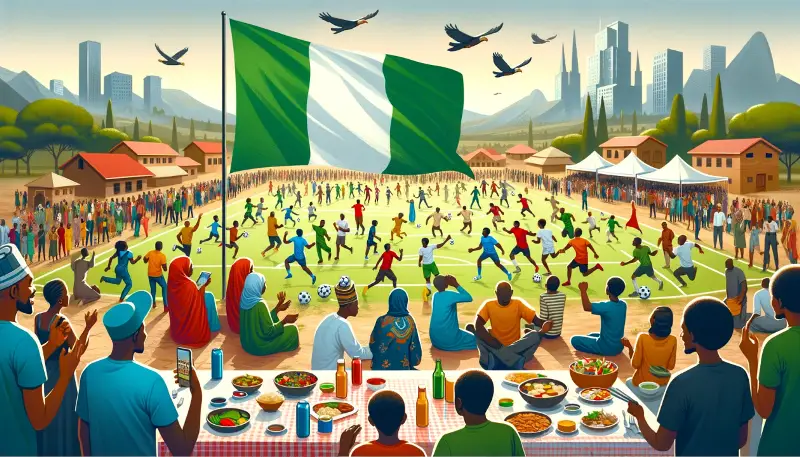
Athletic events in Nigeria are more than just a showcase of speed, strength, and stamina—they’re an economic turbocharger. From marathons pounding through Lagos streets to football matches igniting stadiums, these spectacles draw crowds that ripple through local economies.
Tourists, both domestic and international, flock to witness the action, spiking demand for accommodations, dining, and transportation. Take the Lagos City Marathon: In 2023, it attracted over 50,000 participants and countless spectators, filling hotels to the brim and keeping eateries buzzing. Taxi drivers and ride-hailing apps like Bolt see a surge, with fares spiking as roads clog with event-goers. This isn’t just a one-day windfall—hospitality sectors report sustained boosts as visitors linger to explore Nigeria’s cultural gems, proving sports are a sneaky gateway to broader tourism.
Betting on the Game – A Wild Card in Nigeria’s Sports Economy
Athletic events don’t just inspire sweat—they spark bets. Nigeria’s sports betting market, valued at over $2 billion in 2023, is a juggernaut fueled by football mania and mobile tech. With 60 million Nigerians wagering regularly, the industry’s growth mirrors the rise in sporting events, from local leagues to international showdowns. Bookmakers rake in cash, but so do peripheral sectors—tech firms building betting apps, agents running physical outlets, and even government coffers via taxes (when they can collect them). In addition to betting, platforms like new social casinos tap into the trend, offering virtual gaming tied to the thrope similar to betting. The rise of online entertainment is an economic juice pouring into Nigeria’s economy that will most likely only evolve.”
Jobs Galore & The Unsung Heroes of the Finish Line
Beyond the cheers, athletic events are a job-creation machine. Event management alone spins up roles for planners, security personnel, and medics—think of the army of orange-vested staff herding runners at the Okpekpe Road Race. Infrastructure development gets a kick too; building or upgrading stadiums like the Moshood Abiola National Stadium in Abuja employs construction workers, engineers, and architects. Then there’s hospitality: hotels hire extra hands, restaurants bulk up on waitstaff, and transport companies onboard drivers to handle the influx. A 2022 Nigerian Economic Summit Group report pegged sports as a potential creator of 2 to 3 million direct and indirect jobs, a lifeline in a country where youth unemployment hovers around 40%. These gigs aren’t just temporary either—sustained event calendars foster long-term roles, chipping away at Nigeria’s jobless stats.
Government’s Playbook – Tax Breaks and Concrete Dreams
The Nigerian government isn’t sitting on the sidelines. Through the National Sports Industry Policy (NSIP) launched in 2022, it’s rolling out tax incentives to lure private investors into the sports arena. Companies sinking cash into sports infrastructure—like the sleek remodel of the Teslim Balogun Stadium—can snag deductions, sweetening the deal for corporate players. The feds are also pouring funds into sports facilities, aiming to hit a lofty target: 5% of GDP from sports by 2027, translating to $3-4 billion annually. Public-private partnerships (PPPs) are the secret sauce here, with models like “Build Operate and Transfer” funding shiny new arenas. The catch? Execution lags—bureaucratic snarls and patchy enforcement mean many projects are still blueprints, not bricks. Still, the intent is clear: turn sports into an economic MVP.
Read Also: Guardiola: Haaland Is Irreplaceable At Man City
Five Ways Sports Events Shake Up Local Economies
Here’s a quick rundown of how athletic events flex their economic muscle in Nigeria:
- Accommodation Boom: Hotels near event sites jack up rates and occupancy—think Calabar during the Carnival Half Marathon.
- Food Frenzy: Local joints and vendors cash in, from suya stalls to upscale restaurants feeding hungry fans.
- Transport Hustle: Buses, bikes, and cabs see peak demand, especially in urban hubs like Port Harcourt hosting wrestling championships.
- Retail Rush: Merchandise—jerseys, caps, flags—flies off shelves, boosting small traders.
- Service Surge: Guides, cleaners, and security staff get temporary gigs, padding local incomes.
These effects don’t just stack cash—they knit communities into the economic fabric of sports.
Hurdles and Headwinds Are Keeping the Momentum
For all its promise, Nigeria’s sports-driven economic play faces potholes. Infrastructure gaps—like crumbling rural roads—hamper access to events outside big cities, throttling tourism potential. Corruption siphons funds meant for upgrades; the 2021 Auditor-General’s report flagged millions misspent in the sports ministry. And while betting booms, regulatory chaos risks turning a goldmine into a liability. The government’s big bets on tax breaks and stadiums need sharper follow-through—think faster permit approvals and tighter oversight. Without it, private sector enthusiasm could fizzle, leaving Nigeria’s sports economy stuck in the warm-up phase.
Scoring Sustainable Growth
Athletic events are Nigeria’s sleeper hit for economic growth. They pull tourists, fill wallets, and cut unemployment, all while showcasing the nation’s grit and glory. Government initiatives are a solid start, but they need to sprint, not jog, to keep pace with demand. The betting surge adds a wild twist, promising revenue yet begging for reins. If Nigeria can nail the execution—better roads, shinier venues, stricter rules—it might just dribble past oil dependency into a diversified future. For now, every race, match, and tournament is a chance to score big, not just on the field but in the ledger books, too.