











.svg.png)

















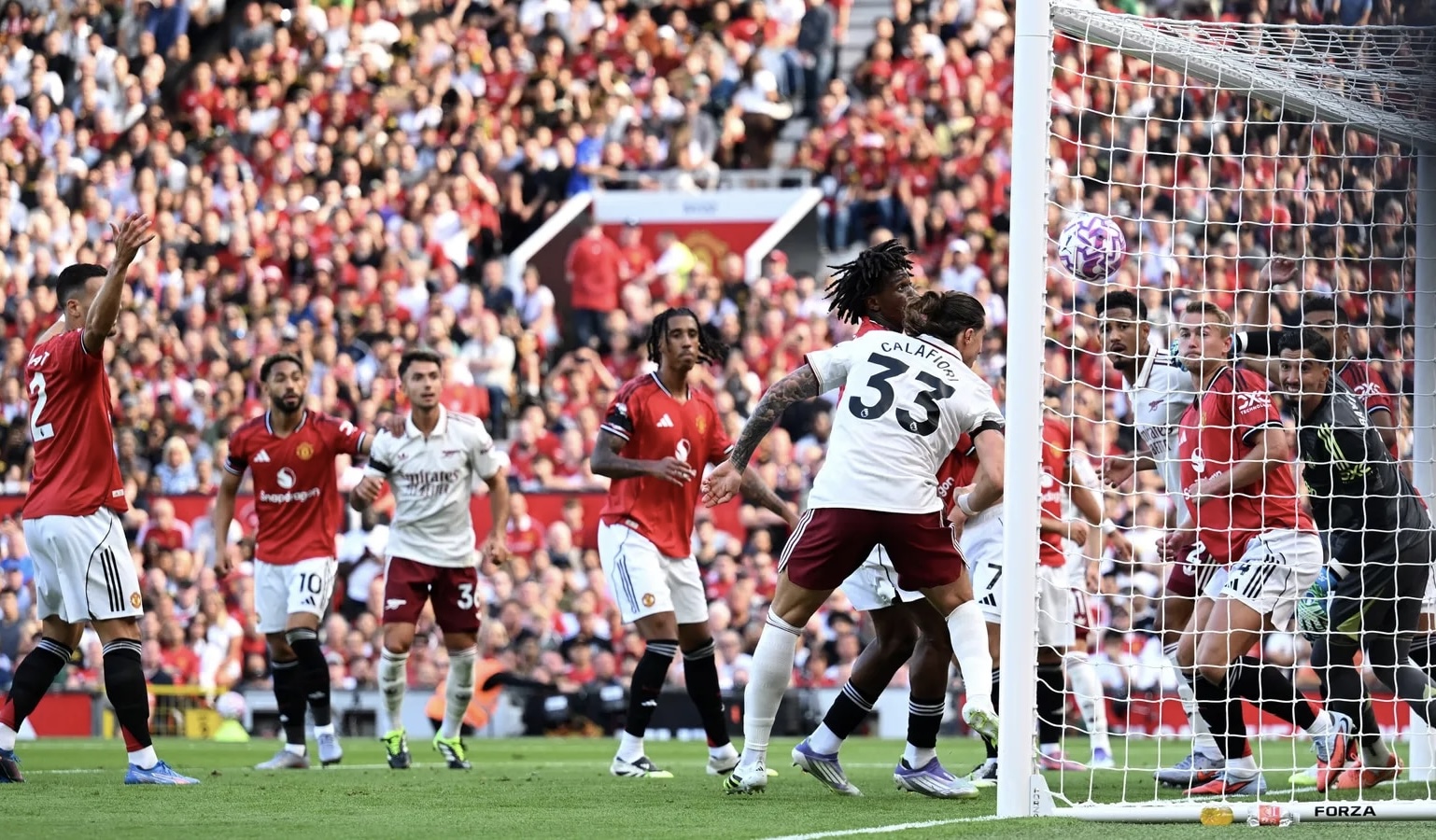
Kai Havertz has said Arsenal’s emphasis on set pieces played a major role in their Premier League success last season.
Arsenal ended their long wait for a first league title since 2004 after finishing ahead of Manchester City.
Central to Arsenal’s success was their use of set pieces which was a useless instrument against their opponents.
According to The Athletics, Arsenal scored the most set-piece goals (excluding penalties) in the division, with a new Premier League record of 18–19 goals from corners alone.
These accounted for a high share of their overall output (reports commonly cite roughly a third or more, with some figures around 35% or higher for dead-ball situations including related contributions).
Many of these goals put them ahead or proved decisive in tight matches; a notable number of corner goals specifically gave them the lead.
Their conversion rates and variety of routines were elite, and they also conceded very few from set pieces themselves (among the lowest in the league).
“Set pieces have become a huge part of our game,” Havertz said in a chat with JioHotstar.
Also Read: EPL: Crouch Predicts Chelsea To Stun Arsenal At Emirates
“We treat them like penalties; every time we get one, we feel like we can score. We work on them tirelessly in training, and it shows in matches.
“We scored so many goals from set pieces last season, and that was a major reason why we lifted the Premier League trophy.”
Meanwhile, critics sometimes labeled Arsenal “Set Piece FC,” arguing the reliance made their play functional or less expansive in open play compared to pure possession or transitional dominance.
However, the numbers and outcomes undercut the criticism: set pieces created high-value chances, shifted game states in their favour, and complemented a miserly defence and control in other phases (including transitions).
Past title winners have also leaned on dead-ball strengths to varying degrees; Arsenal’s share was among the highest recorded for champions.
Their overall campaign still featured open-play contributions, squad depth additions, and consistency against lower-table sides.