





.svg.png)























Choosing your first electric bike can be an exciting experience, but the wide range of available models, features, and specifications can make the decision challenging for beginners. With so many options available, it is important to understand what features actually matter before making a purchase.
Since every rider has different needs, selecting the wrong electric bike may affect comfort, performance, and long-term satisfaction. Factors such as motor power, battery range, riding style, frame design, and safety features should be carefully evaluated before choosing a model.
This electric bike buying guide explains the most important things to check before buying your first e-bike. Whether you need an electric bike for daily commuting, fitness, weekend recreation, or longer-distance rides, understanding these factors can help you select a model that matches your lifestyle and delivers a better riding experience over time.
Quick Checklist: What to Check Before Buying an Electric Bike
Before choosing a model, review these important factors:
- Motor type and power: Select a motor that fits your riding environment and performance needs.
- Battery range: Check whether the battery can support your regular travel distance.
- Comfort and design: Consider frame size, riding position, and suspension.
- Safety features: Look for reliable brakes, tires, and lighting.
- Warranty and support: Review coverage and replacement part availability.
- Maintenance needs: Understand basic care requirements before purchasing.
1. Identify Your Main Riding Purpose
The first step in choosing the right electric bike is understanding how you plan to use it. Many beginners focus on appearance or price, but the best choice depends on daily riding requirements. A bike used for commuting will need different features compared with one designed for recreation or off-road adventures.
For commuting, factors such as comfort, reliability, battery range, and practical design are often more important than maximum speed. Riders interested in fitness may prefer adjustable pedal assistance, allowing them to control how much effort they use during rides.
For weekend trips or longer journeys, battery capacity, durability, and riding comfort become more important. Those who regularly travel on hills or uneven surfaces may require stronger motor performance and improved suspension.
Understanding your riding purpose helps you avoid unnecessary features and choose an electric bike that fits your actual needs.
2. Choose the Right Electric Bike Type
Electric bikes come in different categories, and each type is designed for specific riding needs. Understanding these options helps beginners choose a model that matches their lifestyle and environment.
Commuter electric bikes are built for everyday travel, focusing on comfort, efficiency, and practical features for city roads. Mountain electric bikes are designed for trails and uneven terrain, often featuring stronger frames and suspension systems. Folding electric bikes are useful for riders with limited storage space or those who need portability. Fat-tire electric bikes provide improved stability on gravel, sand, and rough surfaces.
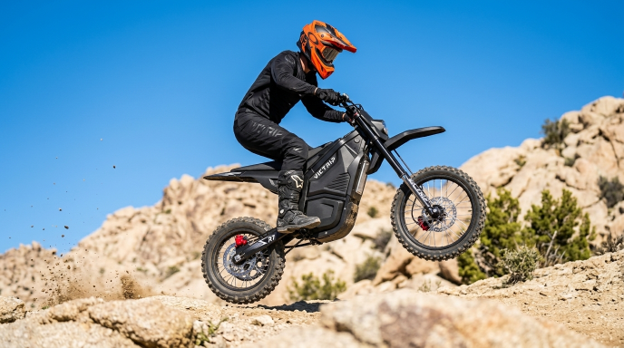
For more aggressive off-road riding, an Electric Dirt Bike is designed for challenging terrain and recreational trail use. Choosing the right type ensures better performance and comfort.
3. Check the Motor Type and Power Performance
The motor plays a major role in an electric bike’s acceleration, climbing ability, and overall performance. Understanding motor types helps beginners choose a model that matches their riding conditions.
Most e-bikes use either hub motors or mid-drive motors. Hub motors are common on commuter models because they offer reliable assistance and a simple design. They work well for flat roads and regular transportation.
Mid-drive motors are positioned near the bike’s crank area and provide power through the drivetrain. They are often preferred by riders who need better balance, stronger hill-climbing ability, and improved performance across different terrains.
Motor power is measured in watts, while torque shows how effectively the motor handles demanding situations. However, more power is not always better. The ideal motor depends on your route, riding distance, and performance requirements.
4. Evaluate Battery Capacity and Real-World Range
Battery performance is a key factor to consider when buying an electric bike because it determines how far you can ride on a single charge. While many beginners focus on advertised range numbers, real-world performance depends on factors such as riding speed, terrain, rider weight, weather, and assistance level.
Electric bike batteries are measured in watt-hours (Wh), which indicates their energy storage capacity. Most modern e-bikes use lithium-ion batteries because they provide a strong balance of efficiency, weight, and durability. Proper charging habits, suitable storage, and avoiding complete battery depletion can help maintain battery life.
When comparing battery options, choose one that matches your regular riding distance rather than focusing only on maximum range claims. A suitable battery will provide better reliability and convenience for everyday use.
5. Consider Frame Design and Riding Comfort
Comfort is another important factor that first-time electric bike buyers should consider. A bike with powerful performance may still feel unsuitable if the frame size, riding position, or overall design does not match your body and riding style.
Frame materials affect the bike’s weight, durability, and handling. Aluminum frames are commonly used because they provide a practical balance between strength and lightweight performance. Choosing the correct frame size is also essential because a proper fit improves control, reduces physical strain, and makes longer rides more enjoyable.
Other comfort features, such as adjustable handlebars, ergonomic seats, and suspension systems, can significantly improve the overall experience. Front suspension can help absorb bumps on uneven roads, while advanced suspension setups may provide additional comfort for riders who travel on rougher surfaces.
Before purchasing, think about where and how often you will ride. A comfortable electric bike is more likely to become a regular part of your daily routine.
6. Check Braking System and Safety Features
Safety should always be a priority when selecting an electric bike. Since e-bikes can reach higher speeds than traditional bicycles, having a reliable braking system is important for maintaining control and stopping effectively.
Many electric bikes use disc brakes because they provide consistent performance in different riding conditions. Mechanical disc brakes are commonly found on entry-level models, while hydraulic disc brakes usually offer smoother operation, stronger stopping power, and easier control.
Beyond brakes, riders should also consider additional safety features such as integrated lights, reflectors, quality tires, and clear displays. These features can improve visibility and confidence, especially when riding in busy areas or during lower-light conditions.
Tire selection also affects stability and handling. Choosing tires that match your typical riding environment can improve traction, comfort, and overall safety.
7. Review Build Quality and Component Reliability
Build quality determines how well an electric bike performs over time. Buyers should evaluate important components such as the frame, drivetrain, tires, suspension parts, battery connections, and electrical systems before making a decision.
A strong frame and reliable components can reduce maintenance issues and provide better long-term value. Electrical quality is especially important because the battery, motor, controller, and display work together as one system. Well-designed electrical components can improve reliability and create a smoother riding experience.
As the electric mobility market continues to expand, riders are paying more attention to brands that focus on practical design, reliable components, and everyday usability. VICTRIP Ebike is one example of a brand developing electric bike solutions while focusing on performance, comfort, and rider needs. However, beginners should always compare specifications, features, and reliability based on their personal requirements before making a final decision.
8. Compare Warranty, Customer Support, and Replacement Parts
Warranty and customer support are important considerations when buying an electric bike because they affect your experience after purchase. A reliable warranty can protect key components such as the motor, battery, controller, and electrical systems from unexpected issues.
Before choosing a model, review warranty coverage, duration, and specific terms. Battery support is especially important because battery replacement can be one of the biggest future expenses.
Replacement part availability is another factor beginners should consider. Even a high-quality electric bike may need repairs or component replacements over time. Easy access to parts and responsive customer service can make maintenance more convenient.
Choosing a brand with dependable support provides greater confidence and helps ensure a smoother ownership experience throughout the electric bike’s lifespan.
9. Understand Maintenance Requirements
Regular maintenance helps keep an electric bike safe, reliable, and efficient throughout its lifespan. While e-bikes are generally easy to care for, beginners should understand basic maintenance habits to protect their investment.
Battery care is especially important. Proper charging practices, avoiding extreme temperatures, and storing the battery correctly can help maintain performance. Riders should also check tire pressure regularly because properly inflated tires improve comfort, handling, and energy efficiency.
Brake inspections are essential for safety, especially since electric bikes can reach higher speeds than traditional bicycles. Checking brake pads, cleaning components, and inspecting electrical connections can prevent future problems.
Simple maintenance routines can improve durability, extend the bike’s lifespan, and provide a smoother riding experience over time.
10. Compare Price With Long-Term Value
When buying your first electric bike, looking only at the initial price can lead to the wrong decision. A cheaper model may appear attractive, but long-term ownership costs should also be considered. Expenses such as maintenance, accessories, replacement parts, and future battery replacement can affect the overall value of your investment.
A bike with higher-quality components may cost more upfront but can provide better reliability, durability, and performance over time. Battery life is especially important because replacement costs can become a significant expense after years of use.
The best electric bike is not always the cheapest or the most expensive option. Instead, choose a model that offers the right balance of comfort, performance, durability, and features based on your riding needs. Careful comparison before purchasing can help you enjoy better value and a more satisfying riding experience.
Read Also: Premier League Referee Announces Retirement After World Cup 2026
Common Mistakes First-Time Electric Bike Buyers Make
Many beginners make simple mistakes when choosing their first electric bike, which can affect their overall riding experience. One common mistake is buying based only on appearance without considering important factors such as motor performance, battery capacity, and comfort. A stylish design is useful, but the bike should also match your practical needs.
Another mistake is ignoring battery quality and focusing only on advertised range numbers. Battery reliability, charging habits, and long-term performance are equally important. Choosing the wrong bike size can also create discomfort, reduce control, and make longer rides less enjoyable.
Some buyers also forget to check warranty coverage and customer support before purchasing. Understanding these details can help avoid unexpected repair costs and provide better ownership confidence. Taking time to research these areas helps beginners make a more informed decision.
Conclusion
Buying your first electric bike requires careful research because the right choice depends on your personal riding goals, environment, and expectations. Factors such as motor performance, battery range, comfort, safety features, build quality, and long-term costs all play an important role in finding the right model.
Instead of choosing an electric bike based only on price or appearance, consider how you plan to use it and which features will provide the most value over time. A well-selected e-bike can offer reliable transportation, enjoyable rides, and long-term satisfaction when it matches your lifestyle.
By understanding these essential factors before purchasing, beginners can confidently choose an electric bike that delivers better performance, comfort, and overall ownership experience.
For riders comparing different options, exploring trusted manufacturers like VICTRIP can help them understand available features and find a model that fits their riding needs.
FAQ
1. What should I check before buying my first electric bike?
Check the motor, battery range, comfort, safety features, warranty, and maintenance requirements before choosing an electric bike.
2. How much battery range do I need for an electric bike?
Choose a battery range that comfortably covers your daily rides with extra capacity for unexpected trips.
3. What motor power is best for beginners?
The best motor power depends on your riding needs, terrain, and how much assistance you want while riding.
4. How long does an electric bike battery last?
Most electric bike batteries can last several years with proper charging habits and regular care.
5. Is an electric bike good for daily commuting?
Yes, an electric bike can be a convenient and cost-effective option for daily transportation and short-distance travel.