
 The Fallout of AFCON 2025 in Morocco
 The Fallout of AFCON 2025 in Morocco
Following the sad incidents on the field of play during the final match of AFCON 2025 held in Morocco some weeks ago, the women’s version of the championship that is to take place in the same country later in 2026, in continuation of the country’s showcasing and dress-rehearsals of co-hosting the 2030 FIFA World Cup, has been moved to South Africa.
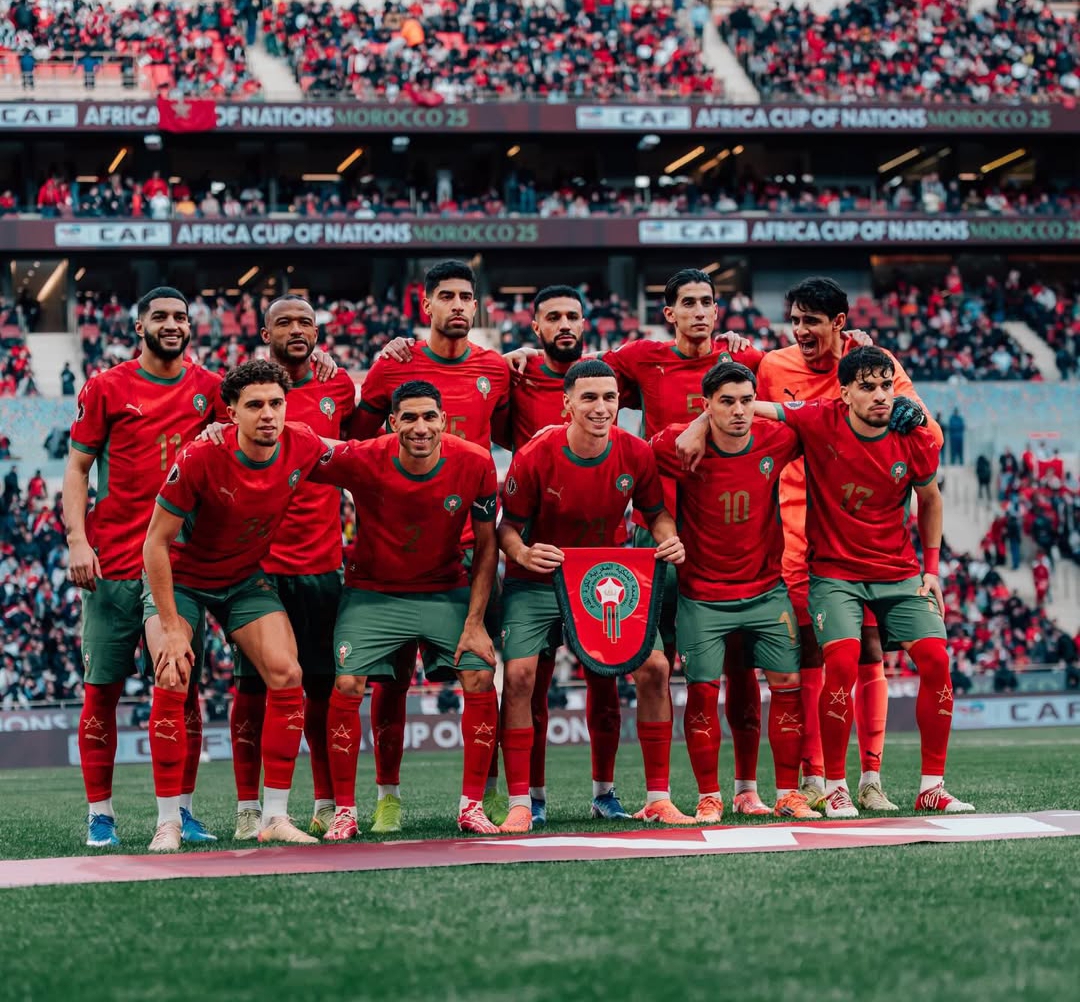
I am not certain who instigated the shift of venue between CAF and the Morocco Football Federation/government. What is obvious, however, is that it is a fallout of Morocco’s bad experience from AFCON 2025. There are ugly scars left as the price the country has to pay, plus the ‘punishments’ meted by CAF that smear Morocco’s hard-earned reputation as a decent, friendly and most welcoming country preparing hard to welcome the world in 4 years time.
All of these are the consequences of the ‘poor’ conduct by the country’s fans and the ball-boys during the last football Championship.
Many people, including some sports writers and analysts, railed against the largely unsubstantiated accusation that the home team enjoyed undue favour of some match officials during matches.
Also Read: The Good, The Bad And The Ugly Of AFCON 2025 — Odegbami
A championship that should have qualified as one of the best in history suddenly could no longer be held up as a model or advertisement for Morocco, as a result of these claims.
So, what went wrong?
Winning at All Costs: Perception Versus Reality
I look back at the AFCON 2025, and I am reminded of the dilemma that comes with winning at all costs and by all means, once a moral burden that is becoming an acceptable practice.
The lingering impression that AFCON 2025 left in the minds of the public, without any justification or clear evidence of a connivance of CAF or of the host country, is that Morocco did everything possible, at all costs and by all means, to win AFCON 2025.
The reality may be far from it, yet that suspicion sustains. Without question or exception, every host country of all international events of this nature and magnitude, dreams of taking full advantage of hosting, playing before the largest audience of fanatical supporters, and, motivated by the promise of unprecedented rewards, of climbing the podium as WINNER!
The means of winning no longer matters, or does it?
The Limits of Winning in Team Sport
So, the big question is: How far, actually, can a country go to win in sport? Not very far, believe me, particularly in a team championship such as AFCON. There are too many moving parts that would require to be a part of a larger conspiracy for it to succeed.
Also Read: Super Eagles — An End, A New Beginning After AFCON 2025! –Odegbami
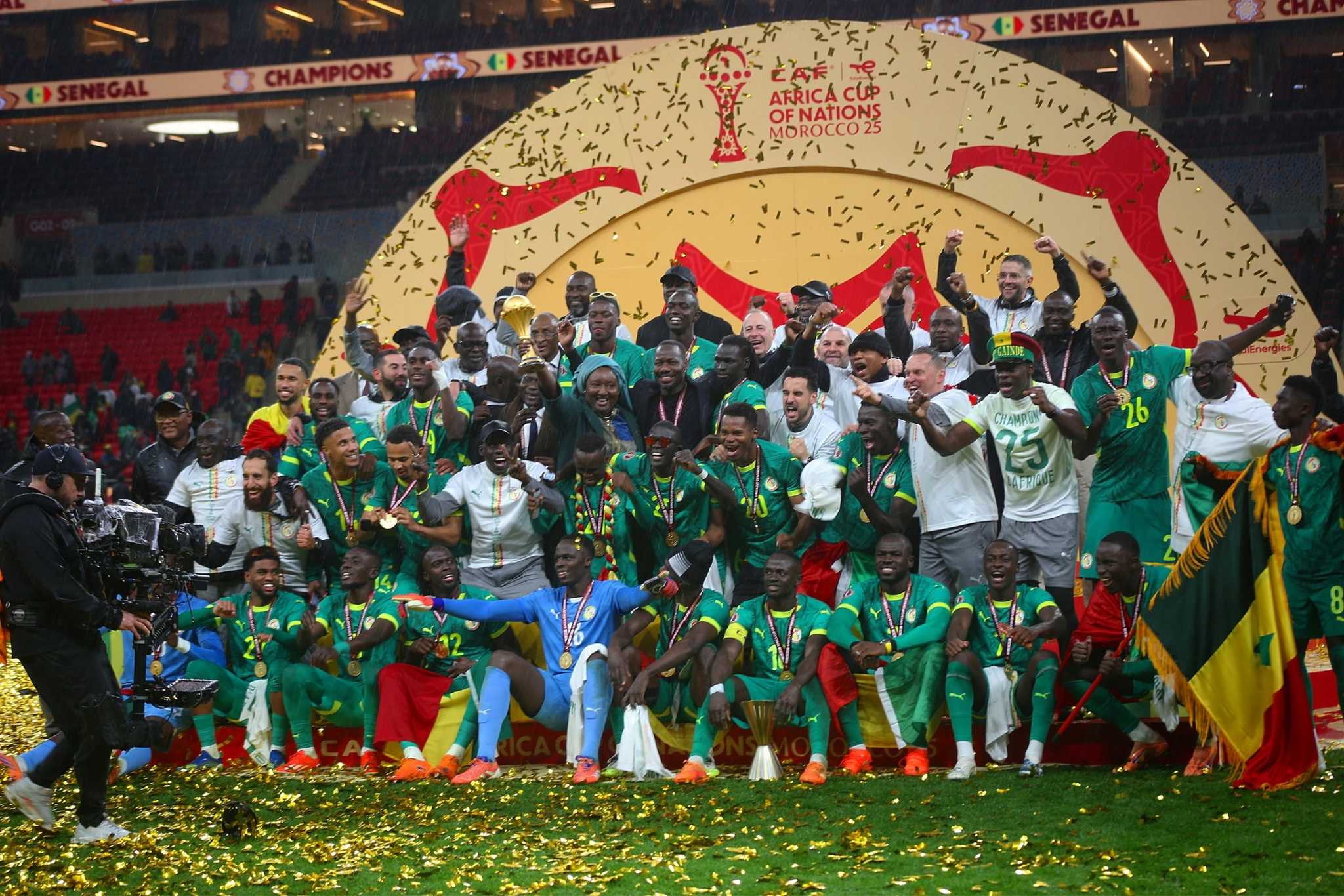
That’s why despite the finale of AFCON 2025 that saw Senegal come from the brink of disaster and defeat to win a match they had almost lost, and lifted the coveted African trophy, nothing untoward happened that could stick on any aspect of the championship, warranting any condemnation of the great show put up by Morocco.
That’s why despite winning in the end deservedly, Senegal were also severely punished as harshly as Morocco for the infractions created by their team and supporters that were very visible to all!
Beyond AFCON: To Win and the Athlete’s Moral Dilemma
Beyond AFCON, and of greater interest to me, is a bigger question about ‘winning’ and the attitude of individual athletes’ to it.
How far will an individual athlete go to win an event? Is it ever a moral dilemma for an athlete that ‘cheats’ and wins?
How far away from Pierre Coubertin’s Modern Olympics philosophy that promotes ‘participation’ as big an incentive as ‘winning’ at the Olympic Games is the world today. Very far. Now, ‘winning’ has become everything in sport?
Also Read: 2026 – My ‘Resolutions’ And The Road To A Sports Revolution! — Odegbami
In a global poll conducted by an international Magazine shortly before the 1996 Olympics, selected athletes were asked how far they were willing to go to win an Olympic Gold medal. The results were shockingly alarming.
More than half the athletes that were questioned were willing to cheat and then ‘die’ after climbing the winner’s podium.
That’s why the race between athletes that use substances to enhance their performance, and the science laboratories that are trying to stop or catch them has become endless and sustained. The urge and pressure to cheat and win pervades the whole of sport. It has become fashionable. It is now in the DNA of sport.
The particular situation of cheating through falsification of documentation by young athletes has become endemic. Getting away with cheating has also become so easy that the world may have given up and now accepts that it has to live with it just like COVID virus.
It is now a personal moral dilemma that every athlete would face at one point or the other in their career and even beyond it, asking the question: what he is willing to do outside the limits of legality and morality in order to win at an event!