


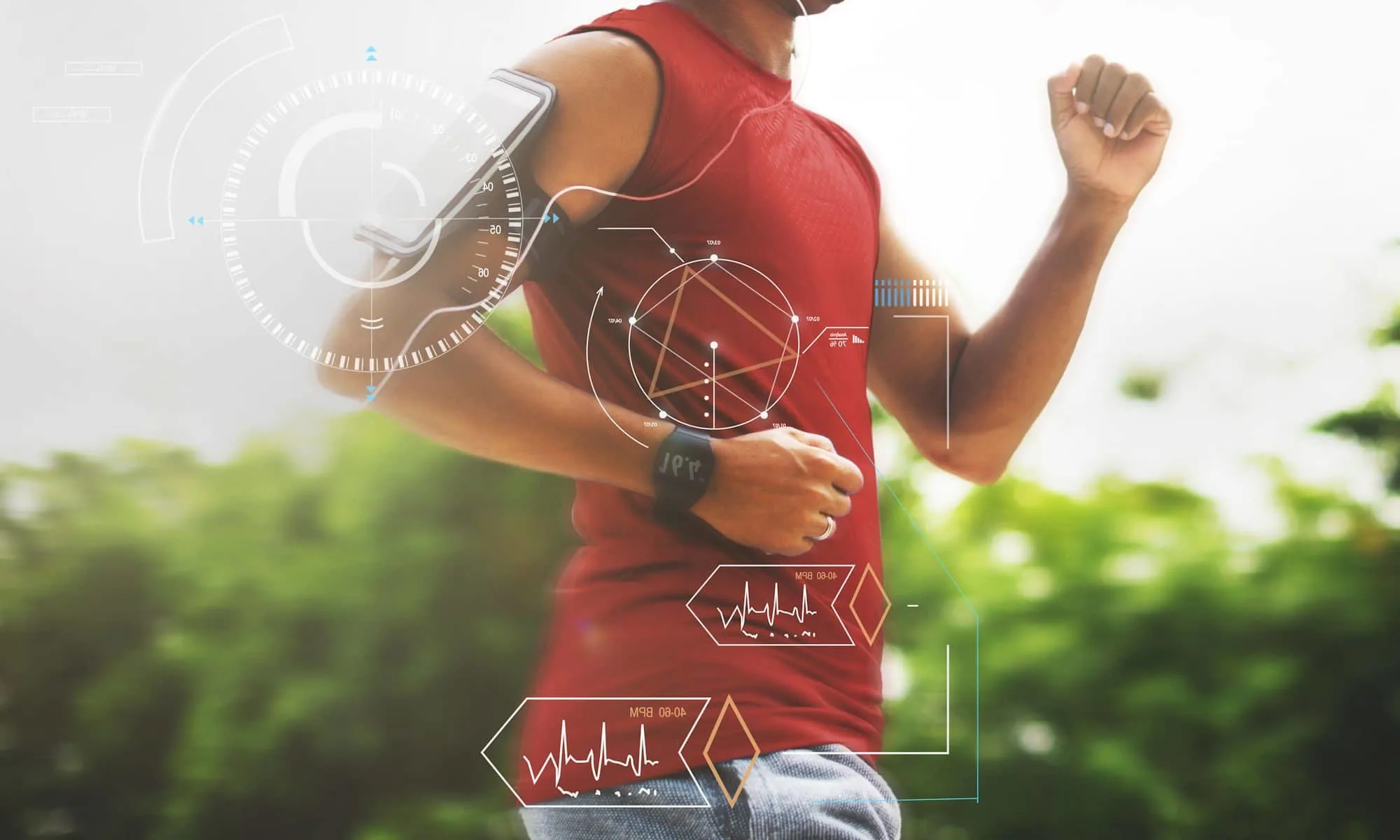
For decades, athlete testing was done in controlled environments, such as labs and treadmills, and was scheduled around assessments. These methods provide insight, but they are not the same as analyzing the athletes as they actually play.
To capture results in real-world conditions, testing now relies on wearable technology. These gadgets have evolved significantly over the last couple of years, providing more accurate data and helping athletes and coaches better understand their abilities.
What Is Micro-Testing in Sports Science?
Micro testing is a term used to describe the continuous collection of performance data during regular training and competition. It allows coaches and athletes to collect small, frequent data points, which provide a more complete picture of the athlete’s abilities.
Unlike traditional macro testing, which takes place in the control environment, it provides real-life data on how an athlete performs in their role on the team. Athletes are monitored as they train, compete, and recover.
Data such as this also informs the decisions of bettors looking for every piece of data they can use to predict outcomes. According to BC.Game reviews bettors are fed data about past performances, player injuries, and overall team ability before making judgment calls on wagers.
The Technology Behind Wearable Micro-Testing
Wearable micro-testing uses a combination of advanced sensors that track both the physiological and biomechanical data. Accelerometers are used to measure speed, movement, and changes in direction. Gyroscopes provide information about balance and orientation. Heart rate monitors track cardiovascular strain, and GPS sensors measure distance, positioning, and pace.
There is also more advanced wearable tech out there. These can be used to monitor body temperature, oxygen saturation, and even hydration levels. Sensors such as these are a part of smartwatches, chest straps, and increasingly, smart clothing. The next stage of this technology is e-textiles with built-in sensors.
Artificial intelligence is playing a key role in collecting and analyzing this data in real time. AI can analyze large amounts of data, identify patterns, and turn raw metrics into a structured report.
Key Benefits of Micro-Testing for Athletes
Continuous Performance Monitoring
Micro-testing enables athletes to monitor performance in real time rather than relying on occasional test results. That way, the coaches can adjust the intensity, technique, or strategy of their programs as soon as there’s a need. It provides a better understanding of each athlete’s performance trends and progress.
Related: You Must Stay And Become Liverpool Captain –Gerrard Tells Szoboszlai
Injury Prevention and Load Management
One of the most important benefits of using micro-testing is the ability to prevent injuries and detect early warning signs of fatigue and overtraining. Subtle changes in movement patterns or physiological responses can indicate fatigue and early injuries, helping coaches manage training loads more effectively.
Personalized Training Programs
Every athlete responds to training in their own way, which is why micro-training enables highly individualized programs. A personalized approach is especially important in professional sports, which need to provide the best possible training and adapt it to each athlete’s unique abilities.
Micro-Testing in Action: Real-World Use Cases
Micro-testing is already widely used in professional sports. For instance, clubs like Liverpool FC and FC Barcelona use GPS tracking systems from companies like Catapult Sports. They monitor distance covered, sprint intensity, and player load during training and matches. The controlled workload has already reduced the risk of injury.
In endurance sports, teams such as Team Jumbo-Visma rely heavily on wearable sensors. They include power meters and heart rate monitors. It allows riders to adjust pacing and effort based on continuous physiological feedback.
The Seattle Seahawks have also used wearable tracking systems. They monitor players’ movement and fatigue levels. Helmet sensors are also used to help assess impact. In a way, micro-testing has already become the standard in elite sports, and the rest will catch on.
The Role of Data: From Raw Metrics to Predictive Insights
The rise of micro-testing has led to an explosion of data. The coaches now have an almost infinite stream of data collected from the test. Analyzing these can be difficult for a single person or even a team, but AI helps find patterns and develop a broader narrative that the data can shape.
The systems can also be used to predict what athletes can do. It plays a huge role in creating strategy, as well as in the betting industry, which is becoming increasingly influential now that the practice is legalized.
Real-time data also allows coaches to make decisions on the spot as the training or the game unfolds. The main benefit of the practice is still in the long-term analysis.
Challenges and Limitations of Micro-Testing
There are challenges and limitations to micro-testing that are becoming more apparent as the practice is increasingly accepted. Data accuracy depends on the quality of the sensors used and can vary. Bad data can lead to incorrect conclusions and even harm athletes.
There’s also a risk of relying too much on data. Not every call in sports can be calculated, and there’s a lot of gut feeling involved in decision-making. This comes from experience, and coaches will lose those talents if they are not using them.
Privacy and data ownership are other legal and moral considerations to take into account, especially when it comes to personal information such as health data.
Micro-testing allows coaches and teams to study athletes and their performance in a scientific, real-time way, using the latest tech. It can inform training and tactical decisions and provide better predictions.