





.svg.png)
























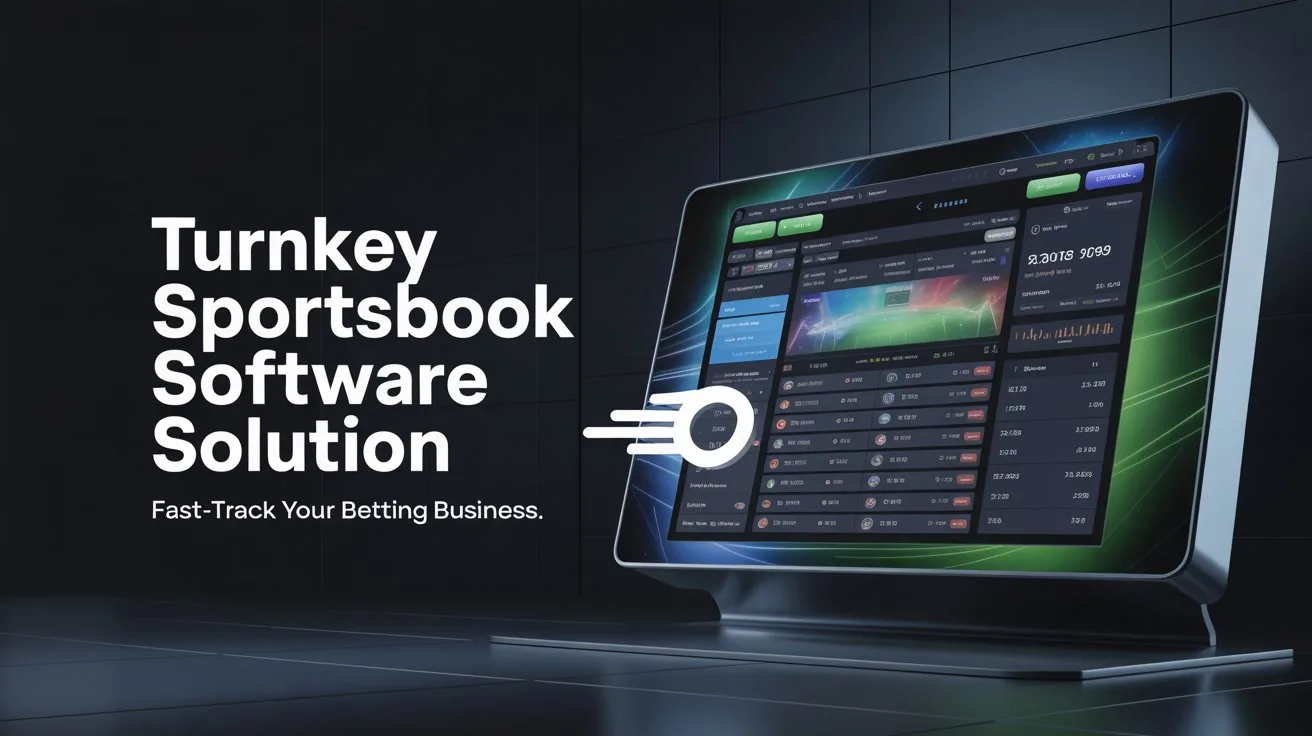
A turnkey sportsbook solution gives operators a complete package to launch their sports betting platform without years of development work. These platforms come with built-in software, odds feeds, payment systems, and back-office tools all set to go. For new operators or businesses that want to enter the betting market quickly, this approach removes many technical barriers.
The right turnkey solution should offer features that support both immediate launch and long-term growth. However, not all providers deliver the same quality or flexibility. Operators need to understand which features matter most for their business goals.
This guide examines the core components that separate basic platforms from solutions built for success. From deployment speed to advanced risk controls, each feature plays a specific role in how well a sportsbook performs. The article covers platform readiness, design flexibility, odds systems, device compatibility, and automated risk tools.
Ready-to-Launch Platform for immediate sportsbook deployment
A ready-to-launch platform removes the lengthy delays that typically hold back sports betting operators. These solutions bundle every essential component into one package. Operators get the software, payment systems, odds feeds, and back-office tools all configured and ready to activate.
Some turnkey sports betting solutions, like a turnkey sportsbook from Digitain provide immediate market entry without years of development work. Most platforms can go live within weeks rather than months. This speed advantage lets operators capture market opportunities before competitors establish their presence.
Pre-built infrastructure eliminates common technical roadblocks. Payment gateways connect to hundreds of providers across multiple continents. Risk management systems monitor thousands of events from the first day of operations. Trading teams and compliance frameworks stand ready to support business operations immediately.
Operators maintain full brand control despite the rapid deployment timeline. The platform supports extensive visual customization and feature configuration. This balance between speed and flexibility makes immediate deployment practical for serious market entry.
Modular Design allowing feature customization
A modular design breaks down a sportsbook platform into separate, independent parts that work together as a complete system. Each module handles a specific function, such as payment processing, odds management, or user accounts. This structure gives operators the freedom to pick and choose which features they need for their business.
Operators can add new features or remove existing ones without disrupting the entire platform. For example, a business might start with basic betting options and later add live streaming or in-play markets as it grows. This flexibility helps companies adapt to market changes and customer demands quickly.
The modular approach also makes updates and maintenance simpler. Developers can fix bugs or improve one module without affecting others. This saves time and reduces the risk of system-wide problems that could shut down the entire platform.
Each module connects through standard interfaces, which means operators can swap out parts that don’t meet their needs. This level of control allows businesses to create a unique platform that stands out from competitors.
Integrated Odds Management with real-time updates
A good turnkey sportsbook solution needs odds management that updates in real time. Operators must connect to live data feeds from top providers to get accurate prices across all sports and markets. These systems pull odds from multiple sources and adjust them instantly based on market changes.
Real-time updates help operators stay competitive. Prices change fast in sports betting, and delays of even a few seconds can lead to losses. The platform should process odds changes automatically and push them to users without manual work.
Modern solutions use smart technology to manage odds more effectively. These tools track patterns, spot risks, and adjust prices to protect the business. They can detect unusual betting patterns and flag potential problems before they cause damage.
The system should handle thousands of events at once without errors. Operators need tools that work across different sports, leagues, and bet types. A solid odds management system cuts costs and improves accuracy for better business results.
Read Also: Supercomputer Predicts EPL Table After Man City Slip Up In Title Race
Multi-Device Support for seamless user experience
A quality turnkey sportsbook solution must work flawlessly across smartphones, tablets, and desktop computers. Users expect to place bets on their phones during their commute and then switch to their laptops at home without any issues. The platform needs to maintain consistent performance and visual quality regardless of the device.
Real-time data synchronization between devices is essential for bettors. Account balances, active bets, and user preferences should update instantly across all platforms. If a bettor places a wager on their phone, that information must appear immediately on their tablet or computer.
The interface should adapt naturally to different screen sizes and operating systems. Buttons and menus need to remain easy to navigate, whether someone uses iOS, Android, or Windows. However, the design should not sacrifice functionality for the sake of consistency.
Performance matters just as much as compatibility. The software must load quickly and respond smoothly on various devices with different hardware capabilities. Poor performance on any single platform will drive users to competitors.
AI-Powered Risk Management to control liabilities
AI-powered risk management tools help sportsbooks protect themselves from excessive losses. These systems analyze betting patterns in real time and flag unusual activity that could indicate problems. The technology uses machine learning to detect sharp bettors, arbitrage attempts, and coordinated betting groups.
Automated risk controls adjust odds and betting limits based on current exposure levels. This happens instantly, without the need for manual oversight. The system tracks every wager and calculates potential payouts across all markets.
Advanced algorithms identify which bets pose the greatest risk to the book’s bottom line. Operators can set custom rules that automatically limit or reject bets that exceed their risk tolerance. The software also monitors player behavior over time to build detailed profiles.
Real-time alerts notify operators of significant betting activity that requires attention. This allows staff to make informed decisions quickly. AI-driven risk management reduces the workload on trading teams while maintaining tighter control over liabilities across all sporting events.
Conclusion
A turnkey sportsbook solution can help businesses enter the sports betting market faster and with less technical complexity. The right platform should include a stable betting engine, secure payment systems, and strong risk management tools. These features allow operators to focus on growth rather than worry about technical problems.
Operators need to choose a solution that fits their specific needs and offers room to scale. The best platforms provide flexibility without sacrificing security or performance. Therefore, careful evaluation of features and providers leads to better long-term results in the competitive betting industry.