












































































































































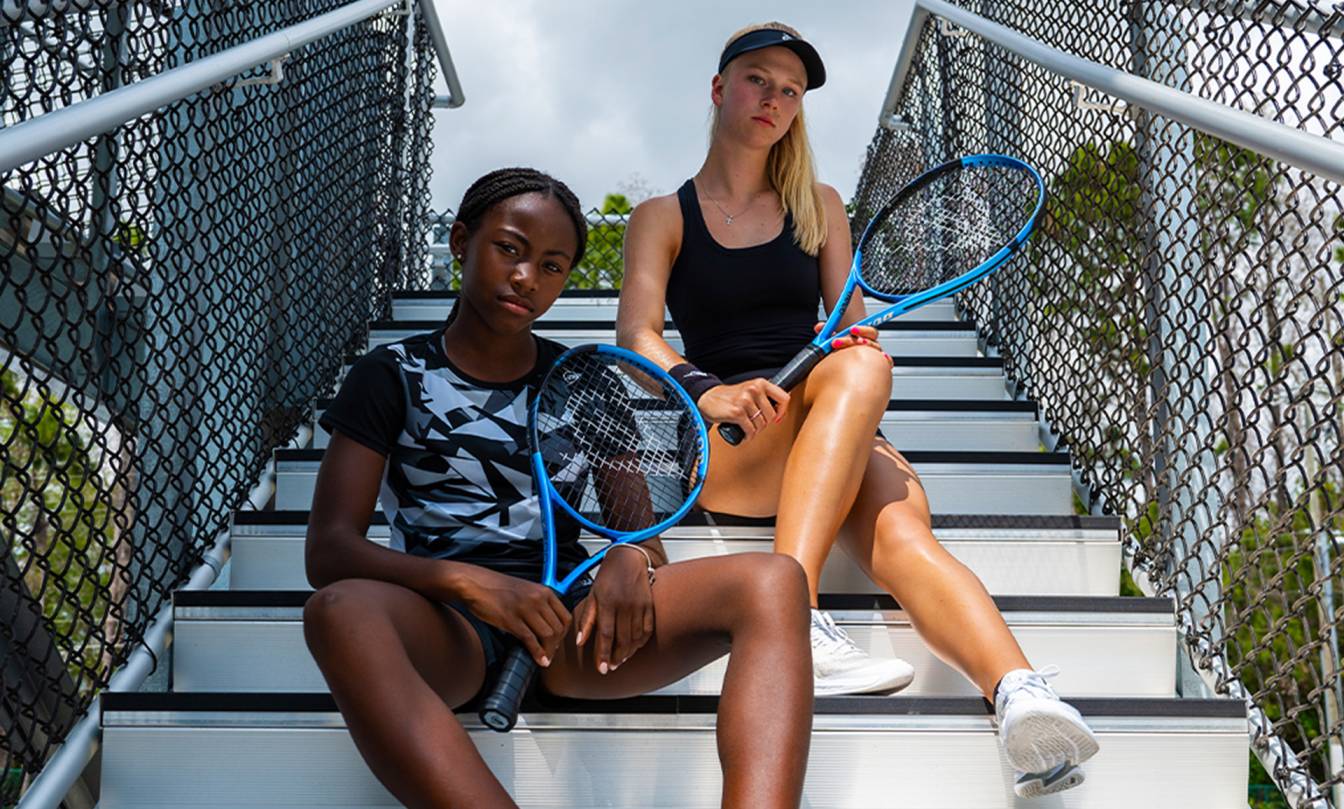
Hitting the ball well takes more than just talent. When you play often, your body needs to keep up – rhythm matters, timing too. Instead of guessing what works, think about how each piece fits your game. New players start slow, yet even they feel the difference good tools make. Pros rely on fine details, every small thing adding up. Comfort changes how long you last during rallies. Results shift when gear matches ability. What feels light to one might weigh another down. Each choice shapes movement, response, touch.
Picture this: what you pick for tennis shapes how well you play, no matter if you are just starting or have been around awhile. The stuff in your bag does more than look good – it changes how fast you move, how solid your shots feel. Think about grip size, shoe support, racket weight – small things that add up when sweat hits the court. Pick poorly, performance dips; choose smart, everything clicks easier. It is less about price tags, more about fit for your style. Every detail shifts how you respond during long rallies or sudden sprints. Even beginners notice a difference when gear matches their motion. Pros fine tune down to strings, yet amateurs often overlook basics. What works today might not suit tomorrow as skills grow. So paying attention now saves frustration later on.
Understanding the Importance of Tennis Equipment
Starting out? The correct tennis gear builds confidence while lowering injury risk. Mid-level game? That same equipment brings steadier shots along with better handling. Already skilled? It sharpens accuracy together with force behind each strike. Top talent means little when the tools fall short – performance dips without suitable supplies on court.
The Role of Tennis Rackets in Performance
Choosing the Right Racket
Out on the court, nothing matters more than your racket. Heavy or light – it shifts how fast you swing. Balance point changes where power comes from. String spacing? That shapes spin and control. Size of the head alters reach and forgiveness on off-center hits.
Starting out? Lighter racquets work well when the head size is bigger – easier to swing without losing strength behind shots. Those moving past basics tend to prefer tools that split the difference between accuracy and muscle. When skills sharpen, weight adds up on court; heavier frames help steady fast exchanges.
Tennis Strings and Their Influence
Most players ignore strings, yet these thin cords shape a racket’s behavior more than expected. Depending on what they’re made of – synthetic gut, polyester, or natural fiber – the way the ball launches off the frame shifts entirely. Tightness matters just as much; looser setups add power, while tighter ones sharpen control.
With tighter stringing, shots stay neater though they lack punch; looser setups launch the ball harder yet wander more. Spin lovers at higher levels often pick polyester – beginners tend toward synthetics when ease matters most.
Right strings help your racquet match how you play, so your shots stay steady and on target. A good fit between gear and game means cleaner contact each time out.
Importance of Tennis Shoes
Stability and Movement
On the court, swift side-to-side motion matters most. Sudden halts come just after a sprint across the baseline. Direction shifts happen fast, often without warning. Footwear built for these moves keeps players steady. Grip underfoot prevents slipping during sharp turns. Stability comes from design meant only for this game.
Slipping more often happens when you wear everyday running footwear on the court rather than proper Tennis Equipment. Movement feels off, less precise, almost clumsy at times. Injury chances go up because support is wrong for quick lateral cuts. The design simply does not match how players shift direction during a match.
Injury Prevention
When you move fast on the court, good tennis shoes soften each step while holding your feet steady. For those practicing often or playing matches week after week, this kind of protection matters a lot. With proper fit and structure underfoot, staying sharp during long sessions becomes easier – without risking injury along the way.
Tennis Apparel and Comfort
Even if clothes feel like an afterthought, they quietly shape how well someone plays. When tennis wear feels light and moves easily, attention stays sharp, fixed on each point instead of fabric tugging at skin.
Out on the court, today’s clothes pull sweat away while keeping wearers cool. When gear fits poorly or weighs too much, motion slows down – simple as that.
Comfortable gear lets a player trust their tools, so attention stays sharp while belief in performance grows.
The Importance of Grips and Accessories
Most players overlook them, yet grips matter more than they seem. Holding the racket firmly starts with how well your hand sticks to it when things get intense out there. Slippage slows reactions – solid contact keeps movements sharp without warning signs ahead.
Comfort gets a boost mid-rally when hands stay dry thanks to overgrips. Little things add up once legs tire near the third set. What feels slight at first shows value after hours on clay.
Tennis Equipment for Beginners
Starting out? Gear should feel natural, not force it. A lighter racket swings easier, cuts strain. Softer strings absorb shock, reduce fatigue. Footwear matters just as much – cushioned soles keep steps steady. Comfort shapes confidence, slowly builds rhythm.
Wrong gear might trip up new players, making progress harder. When tools fit well, picking up skills feels smoother. Enjoyment grows when things work right, not against you.
Read Also: Okocha Is The Most Underrated Player In Premier League History —Arsenal Legend
Tennis Equipment for the Intermediate Players
Some rackets stay steady in hand when swung. A personal touch in string tightness changes how the ball flies. Great gear shapes each move without shouting about it. What you carry onto the court quietly lifts raw ability toward sharper play.
Tennis Equipment for Advanced Players
Top athletes count on Tennis Gear built just for them. From how heavy the racquet feels down to which strings they choose, each piece gets picked with precision. Their game shapes every decision.
Top-tier tennis equipment is built to boost speed, accuracy, and strong play. Tiny tweaks matter more when games hinge on split-second choices. Precision gains come from gear fine-tuned through long hours on court. Success often hides in details most overlooked during rallies. Every gram, every grip texture plays its quiet role mid-point. High-stakes matches reveal how tools shape reactions under pressure.
How Tennis Equipment Impacts Mental Confidence
Confidence grows when a player knows their racket feels right in hand. That sureness shifts how they move on the court – calmer, sharper. Gear that works becomes invisible; what shows up instead is clearer thinking. A solid grip doesn’t shout – it settles nerves quietly. Trust builds not through words but repeated swings without worry. Focus stays longer when little things stop bothering them. Sometimes it’s just about string tension matching mood. Other times it’s shoes holding firm on quick turns. Small details like these shape reactions before thought kicks in. What seems minor can steady breathing under pressure.
When tennis gear feels off, confidence wavers – hesitation sneaks in, slowing reactions. Yet trust in reliable tools shapes steady movements, even when tension rises on the court.
Long Term Benefits of the Investing in Quality Tennis Gear
Good tennis gear lasts longer, saving money down the road. When equipment holds up, it keeps working right without needing swaps. Sturdy tools mean fewer interruptions, better rhythm during play. Over months, solid builds add up to steady results on court. Tough frames handle stress well, standing firm through repeated matches.
Starting strong means having gear that fits just right – safety slips in quietly when things work well. Growth happens without shouting about it, especially if you show up often on court. Motivation sticks around longer when tools match effort. Playing hard or light changes nothing here; support matters either way.
Conclusion
Right gear changes how you play tennis – no doubt about it. Rackets, strings, even what you wear on court – they each make a difference. Shoes grip when you need them to. Apparel moves with your body. Each choice adds up in its own way.
From the first try onward, having proper gear helps people move well, stay safe, stay sure of themselves. Newcomers handle things more easily, those moving ahead grow steadier, while experienced ones hit sharper, stronger notes.
Start with your gear if better tennis is what you’re after. Picking wisely boosts how well you play, while adding fun to every match. A solid setup turns effort into progress without extra strain.