

A Growing Phenomenon
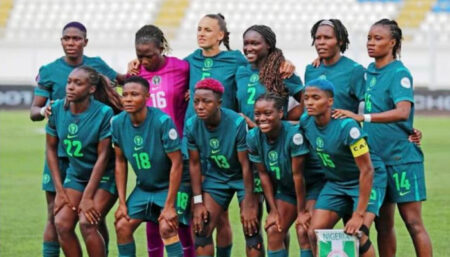
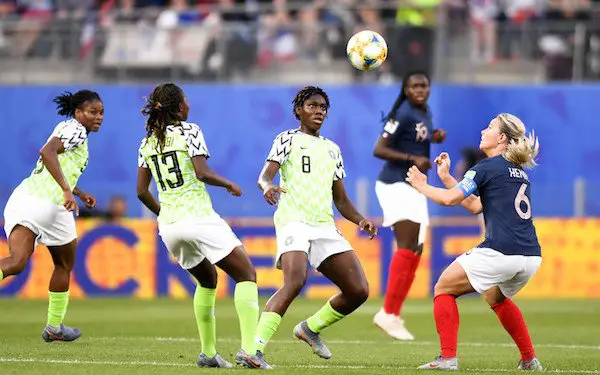
In recent years, the world of soccer has witnessed a significant shift. Women’s soccer, once a side note to the male-dominated sport, is now emerging as a powerhouse in its own right. With increasing support, better accessibility, and an ever-growing fan base, women’s soccer is experiencing a renaissance that is reshaping the landscape of the sport. Major tournaments like the FIFA Women’s World Cup and the UEFA Women’s Champions League have drawn unprecedented attention, showcasing the skill and dedication of female athletes on a global stage.
The rise in popularity is not just confined to the international level. Domestic leagues across the world are gaining traction, with clubs investing more in their women’s teams. This investment is not only in terms of finances but also in providing equal opportunities for training and development. As a result, we are witnessing a new era where young girls can dream of becoming professional soccer players, and their dreams are grounded in reality.
The Impact of Media and Sponsorships
Media coverage and sponsorships have played a pivotal role in promoting women’s soccer. With more games being televised and streamed globally, fans have greater access to watch their favorite teams and players. This media exposure has also attracted sponsorships, which are crucial for the growth and sustainability of the sport.
In this digital age, platforms like https://www.vbet.se/sv serve as perfect examples of how diverse projects can capture interest in various sectors, including sports. By promoting visibility and offering fans more ways to engage with the sport, these sponsorships and media partnerships are breaking down barriers and helping women’s soccer reach new heights.
Related: 2026 U-20 WWCQ: Falconets Beat 2-1Senegal Away, To Face Malawi In Final Round
The Challenges Ahead
Despite the progress, women’s soccer faces challenges that need to be addressed to ensure its continued growth. One of the primary issues is the disparity in pay between male and female players. Although some progress has been made, the pay gap remains a significant concern. Addressing this inequality is essential to attract and retain top talent in the sport.
Furthermore, there is a need for more infrastructure and resources dedicated to women’s soccer. While some countries have made strides in this area, others are lagging behind. Investment in youth academies, coaching, and facilities is crucial to nurture the next generation of female soccer stars.
The Role of Education and Advocacy
Education and advocacy are also vital in promoting women’s soccer. Initiatives that educate the public about the history, achievements, and potential of women’s soccer can play a significant role in changing perceptions. Schools and community programs that encourage participation in sports from a young age are essential for fostering talent and interest in the game.
Advocacy from influential figures in the sports community can also drive change. When male athletes and coaches speak out in support of women’s soccer, it can help shift conversations and attitudes, leading to greater acceptance and equality in the sport.
A Bright Future
The future of women’s soccer looks promising, with more young girls picking up the sport and aspiring to play at higher levels. As the sport continues to grow, it is crucial to maintain the momentum and address the challenges head-on. With continued support from fans, media, and sponsors, women’s soccer can continue to thrive and inspire future generations.
As we witness this transformative period, it is clear that women’s soccer is no longer just an emerging phenomenon – it is a cornerstone of the beautiful game. The progress achieved so far is a testament to the resilience and dedication of female athletes and advocates worldwide. The journey ahead may still have challenges, but the destination is certainly worth the effort.